Buy fischbahnhof.eu ?
We are moving the project
fischbahnhof.eu .
Are you interested in purchasing the domain
fischbahnhof.eu ?
domain@kv-gmbh.de · 0541-91531010
Buy fischbahnhof.eu ?
What were the trenches in World War I?
The trenches in World War I were long, narrow ditches dug into the ground for soldiers to seek cover and protection from enemy fire. They stretched for miles across the Western Front and were filled with mud, water, and disease. Soldiers lived and fought in these harsh conditions for years, facing constant danger and hardship. The trenches became symbolic of the brutal and stagnant nature of trench warfare during World War I. **
Why are soldiers in trenches always so exposed?
Soldiers in trenches are often exposed because the nature of trench warfare requires them to be close to the front lines, where they are vulnerable to enemy fire. Trenches are designed to provide cover and protection, but they are also limited in space and can become crowded, making it difficult for soldiers to find adequate cover. Additionally, the topography of the land and the layout of the trenches may not always provide complete protection from enemy fire, leaving soldiers exposed to potential danger. **


Similar search terms for Trenches
Top-Angebote
Products related to Trenches:
-
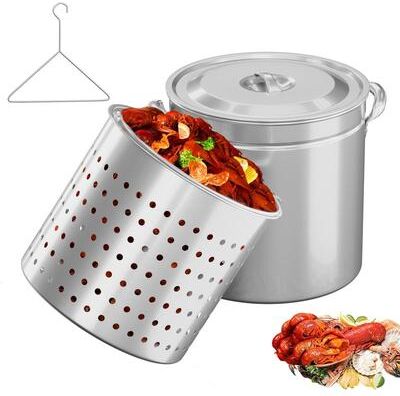
no Stainless Steel Seafood Boil PotDescription: Made with Premium Stainless Steel, ideal for heavy-duty cooking and have longer service life compared to aluminum cookware. ideal for cooking large quantities of food, perfect for family gatherings.109,99 $*Shipping: 0,00 $Secure redirect to the provider
-
Farberware Seafood Nutcracker Set - 5 inFarberware 3-Piece Seafood Nutcracker Set, Stainless Steel Shell Cracker & Picks - Crack Open Lobster, Crab, Nuts With Ease - Durable Essential Dining Tool For Shellfish Lovers - New Tackle lobster, crab, and shellfish with ease using the Farberware...22,99 $*Shipping: 0,00 $Secure redirect to the provider
-
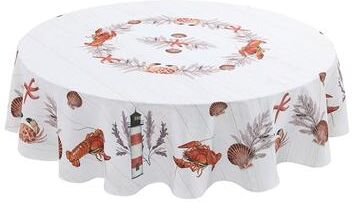
Laural Home Seafood Shack Tablecloth 70 Round"Experience marine life with this chic and unique seafood round tablecloth, ""Seafood Shack"". From lobsters and crabs to shells and lighthouses, this piece brings together all the must-have elements of an ideal day at the sea."63,99 $*Shipping: 0,00 $Secure redirect to the provider


-
How does a submersible pump work for irrigating a garden with trenches?
A submersible pump works by being placed underwater in a trench or water source, such as a well or reservoir. The pump is then connected to a hose or pipe that carries the water to the garden for irrigation. When the pump is turned on, it uses a motor to draw water from the source and push it through the hose to the garden. This allows for efficient and consistent watering of the garden, as the pump can be placed directly in the water source and does not require manual filling or priming. **
-
How does a submersible pump work for watering a garden with trenches?
A submersible pump works by being placed underwater in a trench or water source, such as a well or pond. The pump then uses an impeller to draw water in and push it through a hose or pipe to the desired location, such as a garden. The pump can be connected to a timer or sensor to automatically water the garden at specific times or when the soil moisture levels are low. This method is efficient for watering gardens with trenches as it allows for a consistent and controlled flow of water directly to the roots of the plants. **
-
Has the previous course of the Ukraine war been influenced by trenches?
Yes, the previous course of the Ukraine war has been influenced by trenches. Trench warfare has been a significant feature of the conflict, with both sides digging extensive networks of trenches to defend their positions and launch offensives. These trenches have slowed down the movement of troops and made it difficult for either side to make significant advances. The presence of trenches has also led to a stalemate in some areas, with neither side able to gain a decisive advantage. Overall, the use of trenches has had a significant impact on the course of the Ukraine war. **
-
Why should a sailboat dock in the harbor?
A sailboat should dock in the harbor for several reasons. Firstly, it provides a safe and secure place for the boat to be moored, protecting it from damage caused by rough waters or inclement weather. Additionally, docking in the harbor allows the sailors to easily access shore facilities such as fuel, water, and provisions. It also provides a convenient location for maintenance and repairs, as well as a place to rest and relax after a long day of sailing. Overall, docking in the harbor offers convenience, safety, and access to essential resources for the sailors and their boat. **

Why were flares shot up in the trenches during the First World War?
Flares were shot up in the trenches during the First World War for several reasons. One of the main reasons was to signal for help or to communicate with nearby units. Flares were also used to illuminate the battlefield at night, allowing soldiers to see enemy movements or to provide light for carrying out tasks. Additionally, different colored flares were used to indicate different messages, such as calling for a medic or signaling an impending attack. Overall, flares played a crucial role in communication and visibility in the challenging conditions of trench warfare. **
What do the oceans and deep-sea trenches look like on a geographical map?
On a geographical map, the oceans are typically depicted as large, continuous bodies of water, often shaded in blue. Deep-sea trenches, which are the deepest parts of the ocean floor, are usually represented as narrow, elongated depressions in the ocean floor. These trenches are often located near tectonic plate boundaries and can be thousands of meters deep. Overall, the oceans and deep-sea trenches are shown as distinct features on geographical maps, highlighting the vastness and complexity of the Earth's underwater terrain. **
Top-Angebote
Products related to Trenches:
-
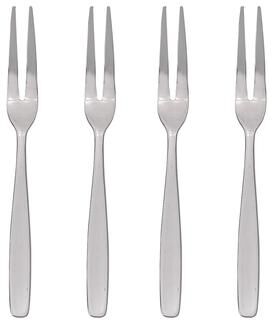
KitchenCraft Set of Stainless Steel Fish Crackers and Seafood ForksA complete Kitchen Craft seafood dining set, including shell fish crackers to crack hard shell seafood, and individual long handled dual ended seafood forks and scoops for removing and eating meat from shell fish, and crab and lobster claws.16,79 £*Shipping: 3,50 £Secure redirect to the provider
-
no Stainless Steel Seafood Boil PotDescription: Made with Premium Stainless Steel, ideal for heavy-duty cooking and have longer service life compared to aluminum cookware. ideal for cooking large quantities of food, perfect for family gatherings.109,99 $*Shipping: 0,00 $Secure redirect to the provider
-
What were the trenches in World War I?
The trenches in World War I were long, narrow ditches dug into the ground for soldiers to seek cover and protection from enemy fire. They stretched for miles across the Western Front and were filled with mud, water, and disease. Soldiers lived and fought in these harsh conditions for years, facing constant danger and hardship. The trenches became symbolic of the brutal and stagnant nature of trench warfare during World War I. **
-
Why are soldiers in trenches always so exposed?
Soldiers in trenches are often exposed because the nature of trench warfare requires them to be close to the front lines, where they are vulnerable to enemy fire. Trenches are designed to provide cover and protection, but they are also limited in space and can become crowded, making it difficult for soldiers to find adequate cover. Additionally, the topography of the land and the layout of the trenches may not always provide complete protection from enemy fire, leaving soldiers exposed to potential danger. **
-
How does a submersible pump work for irrigating a garden with trenches?
A submersible pump works by being placed underwater in a trench or water source, such as a well or reservoir. The pump is then connected to a hose or pipe that carries the water to the garden for irrigation. When the pump is turned on, it uses a motor to draw water from the source and push it through the hose to the garden. This allows for efficient and consistent watering of the garden, as the pump can be placed directly in the water source and does not require manual filling or priming. **
-
How does a submersible pump work for watering a garden with trenches?
A submersible pump works by being placed underwater in a trench or water source, such as a well or pond. The pump then uses an impeller to draw water in and push it through a hose or pipe to the desired location, such as a garden. The pump can be connected to a timer or sensor to automatically water the garden at specific times or when the soil moisture levels are low. This method is efficient for watering gardens with trenches as it allows for a consistent and controlled flow of water directly to the roots of the plants. **
Similar search terms for Trenches
-
Farberware Seafood Nutcracker Set - 5 inFarberware 3-Piece Seafood Nutcracker Set, Stainless Steel Shell Cracker & Picks - Crack Open Lobster, Crab, Nuts With Ease - Durable Essential Dining Tool For Shellfish Lovers - New Tackle lobster, crab, and shellfish with ease using the Farberware...22,99 $*Shipping: 0,00 $Secure redirect to the provider
-
Laural Home Seafood Shack Tablecloth 70 Round"Experience marine life with this chic and unique seafood round tablecloth, ""Seafood Shack"". From lobsters and crabs to shells and lighthouses, this piece brings together all the must-have elements of an ideal day at the sea."63,99 $*Shipping: 0,00 $Secure redirect to the provider
-
no Stainless Steel Seafood Boil PotDescription: Made with Premium Stainless Steel, ideal for heavy-duty cooking and have longer service life compared to aluminum cookware. ideal for cooking large quantities of food, perfect for family gatherings.86,49 $*Shipping: 0,00 $Secure redirect to the provider
-
no Stainless Steel Seafood Boil PotDescription: Made with Premium Stainless Steel, ideal for heavy-duty cooking and have longer service life compared to aluminum cookware. ideal for cooking large quantities of food, perfect for family gatherings.94,15 $*Shipping: 0,00 $Secure redirect to the provider
-
Has the previous course of the Ukraine war been influenced by trenches?
Yes, the previous course of the Ukraine war has been influenced by trenches. Trench warfare has been a significant feature of the conflict, with both sides digging extensive networks of trenches to defend their positions and launch offensives. These trenches have slowed down the movement of troops and made it difficult for either side to make significant advances. The presence of trenches has also led to a stalemate in some areas, with neither side able to gain a decisive advantage. Overall, the use of trenches has had a significant impact on the course of the Ukraine war. **
-
Why should a sailboat dock in the harbor?
A sailboat should dock in the harbor for several reasons. Firstly, it provides a safe and secure place for the boat to be moored, protecting it from damage caused by rough waters or inclement weather. Additionally, docking in the harbor allows the sailors to easily access shore facilities such as fuel, water, and provisions. It also provides a convenient location for maintenance and repairs, as well as a place to rest and relax after a long day of sailing. Overall, docking in the harbor offers convenience, safety, and access to essential resources for the sailors and their boat. **
-
Why were flares shot up in the trenches during the First World War?
Flares were shot up in the trenches during the First World War for several reasons. One of the main reasons was to signal for help or to communicate with nearby units. Flares were also used to illuminate the battlefield at night, allowing soldiers to see enemy movements or to provide light for carrying out tasks. Additionally, different colored flares were used to indicate different messages, such as calling for a medic or signaling an impending attack. Overall, flares played a crucial role in communication and visibility in the challenging conditions of trench warfare. **
-
What do the oceans and deep-sea trenches look like on a geographical map?
On a geographical map, the oceans are typically depicted as large, continuous bodies of water, often shaded in blue. Deep-sea trenches, which are the deepest parts of the ocean floor, are usually represented as narrow, elongated depressions in the ocean floor. These trenches are often located near tectonic plate boundaries and can be thousands of meters deep. Overall, the oceans and deep-sea trenches are shown as distinct features on geographical maps, highlighting the vastness and complexity of the Earth's underwater terrain. **
* All prices are inclusive of VAT and, if applicable, plus shipping costs. The offer information is based on the details provided by the respective shop and is updated through automated processes. Real-time updates do not occur, so deviations can occur in individual cases. ** Note: Parts of this content were created by AI.