Buy fischbahnhof.eu ?
We are moving the project
fischbahnhof.eu .
Are you interested in purchasing the domain
fischbahnhof.eu ?
domain@kv-gmbh.de · 0541-91531010
Buy fischbahnhof.eu ?
What are the requirements for fresh rapid screed?
Fresh rapid screed should be applied to a clean, sound, and stable substrate. The substrate should be free from any contaminants, loose material, or surface treatments that could affect the bond of the screed. It should also be free from standing water and have adequate drainage. Additionally, the ambient temperature and humidity should be within the specified range for the rapid screed product being used to ensure proper curing and performance. **
How much screed do I need to pour concrete screed?
The amount of screed needed to pour concrete screed will depend on the thickness of the screed layer and the area to be covered. To calculate the volume of screed required, you can multiply the area to be covered by the thickness of the screed layer. For example, if you have an area of 50 square meters and you want to pour a 50mm thick screed, you would need 2.5 cubic meters of screed (50 sqm x 0.05m = 2.5 cubic meters). It is always recommended to order slightly more screed than calculated to account for any wastage or uneven surfaces. **


Similar search terms for Screed
Top-Angebote
Products related to Screed:
-
no Stainless Steel Seafood Boil PotDescription: Made with Premium Stainless Steel, ideal for heavy-duty cooking and have longer service life compared to aluminum cookware. ideal for cooking large quantities of food, perfect for family gatherings.86,49 $*Shipping: 0,00 $Secure redirect to the provider
-
Farberware Seafood Nutcracker Set - 5 inFarberware 3-Piece Seafood Nutcracker Set, Stainless Steel Shell Cracker & Picks - Crack Open Lobster, Crab, Nuts With Ease - Durable Essential Dining Tool For Shellfish Lovers - New Tackle lobster, crab, and shellfish with ease using the Farberware...22,99 $*Shipping: 0,00 $Secure redirect to the provider
-
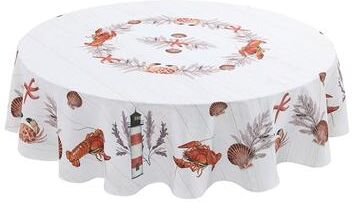
Laural Home Seafood Shack Tablecloth 70 Round"Experience marine life with this chic and unique seafood round tablecloth, ""Seafood Shack"". From lobsters and crabs to shells and lighthouses, this piece brings together all the must-have elements of an ideal day at the sea."63,99 $*Shipping: 0,00 $Secure redirect to the provider


-
Is it possible to install dry screed on old screed?
Yes, it is possible to install dry screed on old screed. Dry screed systems are designed to be installed on top of existing floor surfaces, including old screed. This can be a cost-effective and efficient way to improve the insulation and soundproofing of a floor without having to remove the existing screed. However, it is important to ensure that the old screed is in good condition and properly prepared before installing the dry screed system to ensure a smooth and level finish. **
-
What is screed 3?
Screed 3 is a type of construction material used to create a level surface on a concrete floor. It is typically made of a mixture of cement, sand, and water, and is poured and spread over the concrete to fill in any imperfections and create a smooth, flat finish. Screed 3 is commonly used in the construction industry to prepare floors for the installation of tiles, carpet, or other types of flooring. **
-
How can you lay tiles on a balcony with partially fresh screed?
When laying tiles on a balcony with partially fresh screed, it is important to ensure that the screed is fully cured before proceeding with the tiling. This typically takes around 28 days. Once the screed is fully cured, the surface should be thoroughly cleaned and primed to ensure proper adhesion of the tiles. It is also important to use a flexible adhesive and grout to accommodate any potential movement in the partially fresh screed. Additionally, it is recommended to use larger tiles to minimize the number of grout lines, which can help reduce the risk of cracking due to any remaining moisture in the screed. **
-
How can one correct screed?
To correct screed, one can start by identifying the areas that need adjustment or repair. This can involve checking for uneven surfaces, cracks, or areas that are not level. Once the issues are identified, the screed can be corrected by adding more screed material to level out uneven surfaces, filling in cracks with a suitable filler, or using a straight edge to ensure a level finish. It is important to follow the manufacturer's guidelines for the specific type of screed being used to ensure proper correction. **


What comes after the screed?
After the screed is applied, the next step is typically to lay the flooring material on top of it. This could be tiles, wood, laminate, or any other type of flooring chosen for the space. The flooring material is installed on top of the screed once it has dried and cured properly, creating a smooth and level surface for the final floor finish. Finally, once the flooring is installed, any necessary finishing touches such as sealing, grouting, or sanding may be done to complete the project. **
How do you saw screed?
To saw screed, you will need a concrete saw with a diamond blade. First, mark the area where you want to cut the screed. Then, carefully use the concrete saw to make straight and even cuts along the marked lines. It's important to wear appropriate safety gear, such as goggles and a mask, and to follow proper safety precautions when using a concrete saw. After sawing the screed, you can use a chisel and hammer to break it along the cut lines. **
Top-Angebote
Products related to Screed:
-
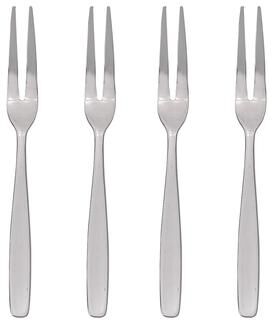
KitchenCraft Set of Stainless Steel Fish Crackers and Seafood ForksA complete Kitchen Craft seafood dining set, including shell fish crackers to crack hard shell seafood, and individual long handled dual ended seafood forks and scoops for removing and eating meat from shell fish, and crab and lobster claws.16,79 £*Shipping: 3,50 £Secure redirect to the provider
-
no Stainless Steel Seafood Boil PotDescription: Made with Premium Stainless Steel, ideal for heavy-duty cooking and have longer service life compared to aluminum cookware. ideal for cooking large quantities of food, perfect for family gatherings.86,49 $*Shipping: 0,00 $Secure redirect to the provider
-
What are the requirements for fresh rapid screed?
Fresh rapid screed should be applied to a clean, sound, and stable substrate. The substrate should be free from any contaminants, loose material, or surface treatments that could affect the bond of the screed. It should also be free from standing water and have adequate drainage. Additionally, the ambient temperature and humidity should be within the specified range for the rapid screed product being used to ensure proper curing and performance. **
-
How much screed do I need to pour concrete screed?
The amount of screed needed to pour concrete screed will depend on the thickness of the screed layer and the area to be covered. To calculate the volume of screed required, you can multiply the area to be covered by the thickness of the screed layer. For example, if you have an area of 50 square meters and you want to pour a 50mm thick screed, you would need 2.5 cubic meters of screed (50 sqm x 0.05m = 2.5 cubic meters). It is always recommended to order slightly more screed than calculated to account for any wastage or uneven surfaces. **
-
Is it possible to install dry screed on old screed?
Yes, it is possible to install dry screed on old screed. Dry screed systems are designed to be installed on top of existing floor surfaces, including old screed. This can be a cost-effective and efficient way to improve the insulation and soundproofing of a floor without having to remove the existing screed. However, it is important to ensure that the old screed is in good condition and properly prepared before installing the dry screed system to ensure a smooth and level finish. **
-
What is screed 3?
Screed 3 is a type of construction material used to create a level surface on a concrete floor. It is typically made of a mixture of cement, sand, and water, and is poured and spread over the concrete to fill in any imperfections and create a smooth, flat finish. Screed 3 is commonly used in the construction industry to prepare floors for the installation of tiles, carpet, or other types of flooring. **
Similar search terms for Screed
-
Farberware Seafood Nutcracker Set - 5 inFarberware 3-Piece Seafood Nutcracker Set, Stainless Steel Shell Cracker & Picks - Crack Open Lobster, Crab, Nuts With Ease - Durable Essential Dining Tool For Shellfish Lovers - New Tackle lobster, crab, and shellfish with ease using the Farberware...22,99 $*Shipping: 0,00 $Secure redirect to the provider
-
Laural Home Seafood Shack Tablecloth 70 Round"Experience marine life with this chic and unique seafood round tablecloth, ""Seafood Shack"". From lobsters and crabs to shells and lighthouses, this piece brings together all the must-have elements of an ideal day at the sea."63,99 $*Shipping: 0,00 $Secure redirect to the provider
-
no Stainless Steel Seafood Boil PotDescription: Made with Premium Stainless Steel, ideal for heavy-duty cooking and have longer service life compared to aluminum cookware. ideal for cooking large quantities of food, perfect for family gatherings.94,15 $*Shipping: 0,00 $Secure redirect to the provider
-
no Stainless Steel Seafood Boil PotDescription: Made with Premium Stainless Steel, ideal for heavy-duty cooking and have longer service life compared to aluminum cookware. ideal for cooking large quantities of food, perfect for family gatherings.109,99 $*Shipping: 0,00 $Secure redirect to the provider
-
How can you lay tiles on a balcony with partially fresh screed?
When laying tiles on a balcony with partially fresh screed, it is important to ensure that the screed is fully cured before proceeding with the tiling. This typically takes around 28 days. Once the screed is fully cured, the surface should be thoroughly cleaned and primed to ensure proper adhesion of the tiles. It is also important to use a flexible adhesive and grout to accommodate any potential movement in the partially fresh screed. Additionally, it is recommended to use larger tiles to minimize the number of grout lines, which can help reduce the risk of cracking due to any remaining moisture in the screed. **
-
How can one correct screed?
To correct screed, one can start by identifying the areas that need adjustment or repair. This can involve checking for uneven surfaces, cracks, or areas that are not level. Once the issues are identified, the screed can be corrected by adding more screed material to level out uneven surfaces, filling in cracks with a suitable filler, or using a straight edge to ensure a level finish. It is important to follow the manufacturer's guidelines for the specific type of screed being used to ensure proper correction. **
-
What comes after the screed?
After the screed is applied, the next step is typically to lay the flooring material on top of it. This could be tiles, wood, laminate, or any other type of flooring chosen for the space. The flooring material is installed on top of the screed once it has dried and cured properly, creating a smooth and level surface for the final floor finish. Finally, once the flooring is installed, any necessary finishing touches such as sealing, grouting, or sanding may be done to complete the project. **
-
How do you saw screed?
To saw screed, you will need a concrete saw with a diamond blade. First, mark the area where you want to cut the screed. Then, carefully use the concrete saw to make straight and even cuts along the marked lines. It's important to wear appropriate safety gear, such as goggles and a mask, and to follow proper safety precautions when using a concrete saw. After sawing the screed, you can use a chisel and hammer to break it along the cut lines. **
* All prices are inclusive of VAT and, if applicable, plus shipping costs. The offer information is based on the details provided by the respective shop and is updated through automated processes. Real-time updates do not occur, so deviations can occur in individual cases. ** Note: Parts of this content were created by AI.