Buy fischbahnhof.eu ?
We are moving the project
fischbahnhof.eu .
Are you interested in purchasing the domain
fischbahnhof.eu ?
domain@kv-gmbh.de · 0541-91531010
Buy fischbahnhof.eu ?
What is the difference between Meiosis 1 and Meiosis 2?
Meiosis 1 is the first stage of meiosis, during which homologous chromosomes separate, resulting in two daughter cells with half the number of chromosomes as the original cell. Meiosis 2 is the second stage of meiosis, during which sister chromatids separate, resulting in four daughter cells, each with half the number of chromosomes as the original cell. In Meiosis 1, genetic recombination occurs through crossing over, while in Meiosis 2, the main process is the separation of sister chromatids. **
What does meiosis mean?
Meiosis is a type of cell division that occurs in sexually reproducing organisms. It involves two rounds of cell division resulting in the production of four daughter cells, each with half the number of chromosomes as the parent cell. This process is essential for the formation of gametes (sperm and egg cells) and ensures genetic diversity in offspring. Meiosis also allows for the shuffling and recombination of genetic material, leading to variation among individuals. **


Similar search terms for Meiosis
Top-Angebote
Products related to Meiosis:
-
Stupell Fresh Seafood Lobster & Crab Printed Throw Pillow Set by Kim Allen (Set of 2)Update your home interiors easily with Stupell Decorative Printed Pillow. Pillows are printed in a wide variety of colors, styles and trends. Pillows arrive with inserts already zipped inside their case.74,49 $*Shipping: 0,00 $Secure redirect to the provider
-
no Stainless Steel Seafood Boil PotDescription: Made with Premium Stainless Steel, ideal for heavy-duty cooking and have longer service life compared to aluminum cookware. ideal for cooking large quantities of food, perfect for family gatherings.133,49 $*Shipping: 0,00 $Secure redirect to the provider



-
What is meiosis 2?
Meiosis 2 is the second stage of meiosis, a type of cell division that produces gametes (sperm and egg cells) in sexually reproducing organisms. In meiosis 2, the two daughter cells produced in meiosis 1 undergo a second round of division, resulting in the formation of four haploid cells. This process helps to ensure genetic diversity by shuffling genetic material and reducing the chromosome number in half. Meiosis 2 is essential for sexual reproduction and the production of genetically unique offspring. **
-
What is Meiosis 4?
Meiosis 4 is the final stage of meiosis, a type of cell division that results in the formation of gametes (sperm and egg cells) in sexually reproducing organisms. During meiosis 4, the two daughter cells produced in meiosis 2 divide again, resulting in a total of four haploid gametes. This process is essential for genetic diversity and the production of reproductive cells with half the number of chromosomes as the parent cell. **
-
What is Meiosis 18?
Meiosis 18 is a hypothetical process that does not occur in nature. Meiosis is a type of cell division that reduces the chromosome number by half, resulting in the formation of gametes (sperm and egg cells) in sexually reproducing organisms. However, meiosis typically only involves two rounds of cell division, resulting in four daughter cells with half the number of chromosomes as the parent cell. The concept of Meiosis 18 is not biologically accurate and is not a recognized stage of cell division. **
-
What is Meiosis 14?
Meiosis 14 is not a recognized or scientifically accepted term in biology. Meiosis is a type of cell division that results in four daughter cells with half the number of chromosomes as the parent cell. It is a crucial process in sexual reproduction, where genetic diversity is generated. The term "Meiosis 14" may be a misunderstanding or misinterpretation of the actual process of meiosis. **


What is meiosis in biology?
Meiosis is a type of cell division that occurs in sexually reproducing organisms to produce gametes, such as sperm and egg cells. It involves two rounds of cell division, resulting in four daughter cells with half the number of chromosomes as the parent cell. This process is essential for genetic diversity and ensuring the correct number of chromosomes in offspring. Meiosis includes unique events such as crossing over and independent assortment, which contribute to genetic variation. **
What is meiosis and mitosis?
Meiosis is a type of cell division that occurs in sexually reproducing organisms, resulting in the formation of gametes (sperm and egg cells) with half the number of chromosomes as the parent cell. This process involves two rounds of division, resulting in four daughter cells that are genetically different from each other and the parent cell. Mitosis, on the other hand, is a type of cell division that occurs in somatic cells, resulting in the production of two identical daughter cells with the same number of chromosomes as the parent cell. This process is essential for growth, repair, and asexual reproduction in organisms. Both meiosis and mitosis are crucial for maintaining genetic diversity and proper cell function in living organisms. **
Top-Angebote
Products related to Meiosis:
-
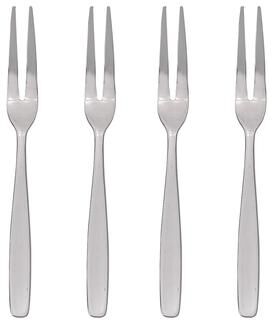
KitchenCraft Set of Stainless Steel Fish Crackers and Seafood ForksA complete Kitchen Craft seafood dining set, including shell fish crackers to crack hard shell seafood, and individual long handled dual ended seafood forks and scoops for removing and eating meat from shell fish, and crab and lobster claws.16,79 £*Shipping: 3,50 £Secure redirect to the provider
-
Maine Man Seafood Maine Man Angled Fish Turner Slotted Spatula, Set of 2Maine Man's set of 2 Non-Stick Silicone Fish Spatulas are must-have cooking tools for making all types of fish. Cooking fish, from salmon recipes to tilapia, flounder, baked cod, snapper, even breaded fish cakes, has never been easier.25,49 $*Shipping: 0,00 $Secure redirect to the provider
-
Stupell Fresh Seafood Lobster & Crab Printed Throw Pillow Set by Kim Allen (Set of 2)Update your home interiors easily with Stupell Decorative Printed Pillow. Pillows are printed in a wide variety of colors, styles and trends. Pillows arrive with inserts already zipped inside their case.74,49 $*Shipping: 0,00 $Secure redirect to the provider
-
What is the difference between Meiosis 1 and Meiosis 2?
Meiosis 1 is the first stage of meiosis, during which homologous chromosomes separate, resulting in two daughter cells with half the number of chromosomes as the original cell. Meiosis 2 is the second stage of meiosis, during which sister chromatids separate, resulting in four daughter cells, each with half the number of chromosomes as the original cell. In Meiosis 1, genetic recombination occurs through crossing over, while in Meiosis 2, the main process is the separation of sister chromatids. **
-
What does meiosis mean?
Meiosis is a type of cell division that occurs in sexually reproducing organisms. It involves two rounds of cell division resulting in the production of four daughter cells, each with half the number of chromosomes as the parent cell. This process is essential for the formation of gametes (sperm and egg cells) and ensures genetic diversity in offspring. Meiosis also allows for the shuffling and recombination of genetic material, leading to variation among individuals. **
-
What is meiosis 2?
Meiosis 2 is the second stage of meiosis, a type of cell division that produces gametes (sperm and egg cells) in sexually reproducing organisms. In meiosis 2, the two daughter cells produced in meiosis 1 undergo a second round of division, resulting in the formation of four haploid cells. This process helps to ensure genetic diversity by shuffling genetic material and reducing the chromosome number in half. Meiosis 2 is essential for sexual reproduction and the production of genetically unique offspring. **
-
What is Meiosis 4?
Meiosis 4 is the final stage of meiosis, a type of cell division that results in the formation of gametes (sperm and egg cells) in sexually reproducing organisms. During meiosis 4, the two daughter cells produced in meiosis 2 divide again, resulting in a total of four haploid gametes. This process is essential for genetic diversity and the production of reproductive cells with half the number of chromosomes as the parent cell. **
Similar search terms for Meiosis
-
no Stainless Steel Seafood Boil PotDescription: Made with Premium Stainless Steel, ideal for heavy-duty cooking and have longer service life compared to aluminum cookware. ideal for cooking large quantities of food, perfect for family gatherings.133,49 $*Shipping: 0,00 $Secure redirect to the provider
-
Farberware Seafood Nutcracker Set - 5 inFarberware 3-Piece Seafood Nutcracker Set, Stainless Steel Shell Cracker & Picks - Crack Open Lobster, Crab, Nuts With Ease - Durable Essential Dining Tool For Shellfish Lovers - New Tackle lobster, crab, and shellfish with ease using the Farberware...22,99 $*Shipping: 0,00 $Secure redirect to the provider
-
no Stainless Steel Seafood Boil PotDescription: Made with Premium Stainless Steel, ideal for heavy-duty cooking and have longer service life compared to aluminum cookware. ideal for cooking large quantities of food, perfect for family gatherings.86,49 $*Shipping: 0,00 $Secure redirect to the provider
-
What is Meiosis 18?
Meiosis 18 is a hypothetical process that does not occur in nature. Meiosis is a type of cell division that reduces the chromosome number by half, resulting in the formation of gametes (sperm and egg cells) in sexually reproducing organisms. However, meiosis typically only involves two rounds of cell division, resulting in four daughter cells with half the number of chromosomes as the parent cell. The concept of Meiosis 18 is not biologically accurate and is not a recognized stage of cell division. **
-
What is Meiosis 14?
Meiosis 14 is not a recognized or scientifically accepted term in biology. Meiosis is a type of cell division that results in four daughter cells with half the number of chromosomes as the parent cell. It is a crucial process in sexual reproduction, where genetic diversity is generated. The term "Meiosis 14" may be a misunderstanding or misinterpretation of the actual process of meiosis. **
-
What is meiosis in biology?
Meiosis is a type of cell division that occurs in sexually reproducing organisms to produce gametes, such as sperm and egg cells. It involves two rounds of cell division, resulting in four daughter cells with half the number of chromosomes as the parent cell. This process is essential for genetic diversity and ensuring the correct number of chromosomes in offspring. Meiosis includes unique events such as crossing over and independent assortment, which contribute to genetic variation. **
-
What is meiosis and mitosis?
Meiosis is a type of cell division that occurs in sexually reproducing organisms, resulting in the formation of gametes (sperm and egg cells) with half the number of chromosomes as the parent cell. This process involves two rounds of division, resulting in four daughter cells that are genetically different from each other and the parent cell. Mitosis, on the other hand, is a type of cell division that occurs in somatic cells, resulting in the production of two identical daughter cells with the same number of chromosomes as the parent cell. This process is essential for growth, repair, and asexual reproduction in organisms. Both meiosis and mitosis are crucial for maintaining genetic diversity and proper cell function in living organisms. **
* All prices are inclusive of VAT and, if applicable, plus shipping costs. The offer information is based on the details provided by the respective shop and is updated through automated processes. Real-time updates do not occur, so deviations can occur in individual cases. ** Note: Parts of this content were created by AI.