Buy fischbahnhof.eu ?
We are moving the project
fischbahnhof.eu .
Are you interested in purchasing the domain
fischbahnhof.eu ?
domain@kv-gmbh.de · 0541-91531010
Buy fischbahnhof.eu ?
What does 'leur' and 'lui' mean?
In French, 'leur' is a pronoun that means 'their' or 'them' when referring to a group of people or things. It is used to indicate possession or indirect object. On the other hand, 'lui' is a pronoun that means 'him' or 'her' when referring to a singular person. It is used to indicate possession or as an indirect object. **
How is "eux" or "leur" used in French?
"Eux" and "leur" are both pronouns used in French to refer to people or things. "Eux" is used as a direct object pronoun to replace a group of people or things, while "leur" is used as an indirect object pronoun to replace a group of people. For example, "Je les ai vus" (I saw them) uses "les" as a direct object pronoun, while "Je leur ai parlé" (I spoke to them) uses "leur" as an indirect object pronoun. **


Similar search terms for Leur
Top-Angebote
Products related to Leur:
-
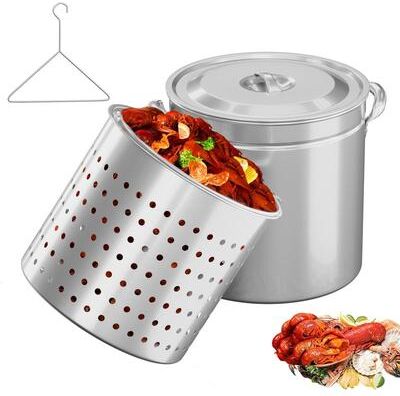
no Stainless Steel Seafood Boil PotDescription: Made with Premium Stainless Steel, ideal for heavy-duty cooking and have longer service life compared to aluminum cookware. ideal for cooking large quantities of food, perfect for family gatherings.94,15 $*Shipping: 0,00 $Secure redirect to the provider
-
Farberware Seafood Nutcracker Set - 5 inFarberware 3-Piece Seafood Nutcracker Set, Stainless Steel Shell Cracker & Picks - Crack Open Lobster, Crab, Nuts With Ease - Durable Essential Dining Tool For Shellfish Lovers - New Tackle lobster, crab, and shellfish with ease using the Farberware...22,99 $*Shipping: 0,00 $Secure redirect to the provider
-
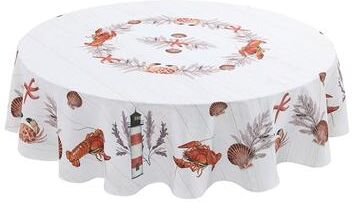
Laural Home Seafood Shack Tablecloth 70 Round"Experience marine life with this chic and unique seafood round tablecloth, ""Seafood Shack"". From lobsters and crabs to shells and lighthouses, this piece brings together all the must-have elements of an ideal day at the sea."63,99 $*Shipping: 0,00 $Secure redirect to the provider

-
How are the object pronouns lui and leur used?
The object pronouns lui and leur are used to replace indirect objects in French. Lui is used to replace singular indirect objects, while leur is used to replace plural indirect objects. These pronouns come before the verb in a sentence and agree in gender and number with the noun they are replacing. For example, "Je lui parle" means "I am talking to him/her" and "Je leur donne des cadeaux" means "I am giving them gifts." **
-
'I don't understand the use of lui and leur?'
In French, "lui" and "leur" are both used as indirect object pronouns to replace nouns that are the recipients of the action. "Lui" is used to refer to a singular masculine or feminine noun, while "leur" is used to refer to a plural noun. For example, "Je lui ai donné le livre" means "I gave him/her the book," and "Je leur ai donné les livres" means "I gave them the books." It's important to remember that these pronouns must agree in gender and number with the noun they are replacing. **
-
What is the difference between ses, leur and leurs?
Ses, leur, and leurs are all possessive adjectives in French, but they are used in different contexts. "Ses" is used to indicate possession by a singular third person, "leur" is used for a singular third person, and "leurs" is used for plural third person. For example, "ses chaussures" means "his/her shoes," "leur maison" means "their house," and "leurs voitures" means "their cars." It's important to pay attention to the number and gender of the noun being possessed in order to choose the correct possessive adjective. **
-
When do I use leur and leurs in French?
You use "leur" when you want to indicate possession or belonging for a singular noun, and "leurs" when you want to indicate possession or belonging for plural nouns. For example, "leur maison" means "their house" (singular), and "leurs voitures" means "their cars" (plural). **

How do you use the object pronouns lui and leur?
The object pronoun "lui" is used to replace indirect objects referring to a singular person, while "leur" is used to replace indirect objects referring to plural people. For example, "Je lui parle" means "I am talking to him/her" and "Je leur donne des cadeaux" means "I am giving gifts to them." These pronouns come before the verb in a sentence and help avoid repetition of the indirect object. **
What is the difference in French between 'ses' and 'leur'?
In French, 'ses' is a possessive adjective that is used to show possession for a singular noun that is masculine or feminine. It is used when referring to something that belongs to a third person. On the other hand, 'leur' is also a possessive adjective, but it is used for plural nouns. It is used when referring to something that belongs to a third person in the plural form. **
Top-Angebote
Products related to Leur:
-
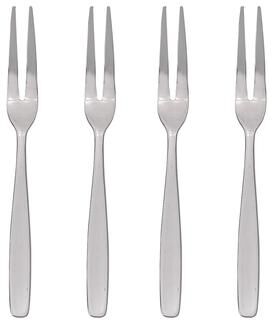
KitchenCraft Set of Stainless Steel Fish Crackers and Seafood ForksA complete Kitchen Craft seafood dining set, including shell fish crackers to crack hard shell seafood, and individual long handled dual ended seafood forks and scoops for removing and eating meat from shell fish, and crab and lobster claws.16,79 £*Shipping: 3,50 £Secure redirect to the provider
-
no Stainless Steel Seafood Boil PotDescription: Made with Premium Stainless Steel, ideal for heavy-duty cooking and have longer service life compared to aluminum cookware. ideal for cooking large quantities of food, perfect for family gatherings.94,15 $*Shipping: 0,00 $Secure redirect to the provider
-
What does 'leur' and 'lui' mean?
In French, 'leur' is a pronoun that means 'their' or 'them' when referring to a group of people or things. It is used to indicate possession or indirect object. On the other hand, 'lui' is a pronoun that means 'him' or 'her' when referring to a singular person. It is used to indicate possession or as an indirect object. **
-
How is "eux" or "leur" used in French?
"Eux" and "leur" are both pronouns used in French to refer to people or things. "Eux" is used as a direct object pronoun to replace a group of people or things, while "leur" is used as an indirect object pronoun to replace a group of people. For example, "Je les ai vus" (I saw them) uses "les" as a direct object pronoun, while "Je leur ai parlé" (I spoke to them) uses "leur" as an indirect object pronoun. **
-
How are the object pronouns lui and leur used?
The object pronouns lui and leur are used to replace indirect objects in French. Lui is used to replace singular indirect objects, while leur is used to replace plural indirect objects. These pronouns come before the verb in a sentence and agree in gender and number with the noun they are replacing. For example, "Je lui parle" means "I am talking to him/her" and "Je leur donne des cadeaux" means "I am giving them gifts." **
-
'I don't understand the use of lui and leur?'
In French, "lui" and "leur" are both used as indirect object pronouns to replace nouns that are the recipients of the action. "Lui" is used to refer to a singular masculine or feminine noun, while "leur" is used to refer to a plural noun. For example, "Je lui ai donné le livre" means "I gave him/her the book," and "Je leur ai donné les livres" means "I gave them the books." It's important to remember that these pronouns must agree in gender and number with the noun they are replacing. **
Similar search terms for Leur
-
Farberware Seafood Nutcracker Set - 5 inFarberware 3-Piece Seafood Nutcracker Set, Stainless Steel Shell Cracker & Picks - Crack Open Lobster, Crab, Nuts With Ease - Durable Essential Dining Tool For Shellfish Lovers - New Tackle lobster, crab, and shellfish with ease using the Farberware...22,99 $*Shipping: 0,00 $Secure redirect to the provider
-
Laural Home Seafood Shack Tablecloth 70 Round"Experience marine life with this chic and unique seafood round tablecloth, ""Seafood Shack"". From lobsters and crabs to shells and lighthouses, this piece brings together all the must-have elements of an ideal day at the sea."63,99 $*Shipping: 0,00 $Secure redirect to the provider
-
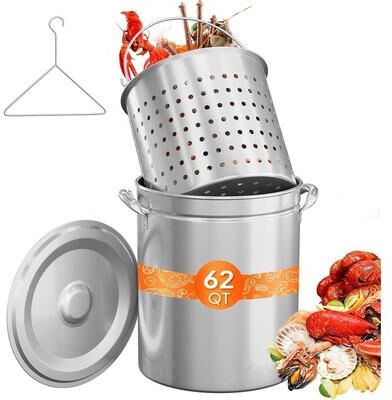
no Stainless Steel Seafood Boil PotDescription: Made with Premium Stainless Steel, ideal for heavy-duty cooking and have longer service life compared to aluminum cookware. ideal for cooking large quantities of food, perfect for family gatherings.104,53 $*Shipping: 0,00 $Secure redirect to the provider
-
no Stainless Steel Seafood Boil PotDescription: Made with Premium Stainless Steel, ideal for heavy-duty cooking and have longer service life compared to aluminum cookware. ideal for cooking large quantities of food, perfect for family gatherings.86,49 $*Shipping: 0,00 $Secure redirect to the provider
-
What is the difference between ses, leur and leurs?
Ses, leur, and leurs are all possessive adjectives in French, but they are used in different contexts. "Ses" is used to indicate possession by a singular third person, "leur" is used for a singular third person, and "leurs" is used for plural third person. For example, "ses chaussures" means "his/her shoes," "leur maison" means "their house," and "leurs voitures" means "their cars." It's important to pay attention to the number and gender of the noun being possessed in order to choose the correct possessive adjective. **
-
When do I use leur and leurs in French?
You use "leur" when you want to indicate possession or belonging for a singular noun, and "leurs" when you want to indicate possession or belonging for plural nouns. For example, "leur maison" means "their house" (singular), and "leurs voitures" means "their cars" (plural). **
-
How do you use the object pronouns lui and leur?
The object pronoun "lui" is used to replace indirect objects referring to a singular person, while "leur" is used to replace indirect objects referring to plural people. For example, "Je lui parle" means "I am talking to him/her" and "Je leur donne des cadeaux" means "I am giving gifts to them." These pronouns come before the verb in a sentence and help avoid repetition of the indirect object. **
-
What is the difference in French between 'ses' and 'leur'?
In French, 'ses' is a possessive adjective that is used to show possession for a singular noun that is masculine or feminine. It is used when referring to something that belongs to a third person. On the other hand, 'leur' is also a possessive adjective, but it is used for plural nouns. It is used when referring to something that belongs to a third person in the plural form. **
* All prices are inclusive of VAT and, if applicable, plus shipping costs. The offer information is based on the details provided by the respective shop and is updated through automated processes. Real-time updates do not occur, so deviations can occur in individual cases. ** Note: Parts of this content were created by AI.