Buy fischbahnhof.eu ?
We are moving the project
fischbahnhof.eu .
Are you interested in purchasing the domain
fischbahnhof.eu ?
domain@kv-gmbh.de · 0541-91531010
Buy fischbahnhof.eu ?
Is "Grüß Gott" blasphemy?
No, "Grüß Gott" is not blasphemy. It is a common greeting in German-speaking countries, particularly in Austria and Bavaria, and translates to "God bless you" or "Greetings to God." It is a polite and respectful way to greet someone and is not considered blasphemous. **
Why do people say "Grüß Gott"?
People say "Grüß Gott" as a traditional greeting in German-speaking countries, especially in Bavaria and Austria. It is a way of wishing someone well and showing respect for their well-being. The phrase is also used as a sign of politeness and friendliness when meeting someone for the first time or entering a room. Additionally, "Grüß Gott" is often used in rural areas as a way of acknowledging the presence of a higher power or showing gratitude for blessings. **


Similar search terms for Grüß
Top-Angebote
Products related to Grüß:
-
no Stainless Steel Seafood Boil PotDescription: Made with Premium Stainless Steel, ideal for heavy-duty cooking and have longer service life compared to aluminum cookware. ideal for cooking large quantities of food, perfect for family gatherings.109,99 $*Shipping: 0,00 $Secure redirect to the provider
-
Farberware Seafood Nutcracker Set - 5 inFarberware 3-Piece Seafood Nutcracker Set, Stainless Steel Shell Cracker & Picks - Crack Open Lobster, Crab, Nuts With Ease - Durable Essential Dining Tool For Shellfish Lovers - New Tackle lobster, crab, and shellfish with ease using the Farberware...22,99 $*Shipping: 0,00 $Secure redirect to the provider
-
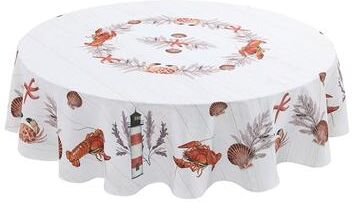
Laural Home Seafood Shack Tablecloth 70 Round"Experience marine life with this chic and unique seafood round tablecloth, ""Seafood Shack"". From lobsters and crabs to shells and lighthouses, this piece brings together all the must-have elements of an ideal day at the sea."63,99 $*Shipping: 0,00 $Secure redirect to the provider



-
Is "Grüß Gott" said in Bremen?
"Grüß Gott" is not commonly said in Bremen, as it is a traditional greeting more commonly used in southern Germany and Austria. In Bremen, the typical greeting is "Moin" or "Moin Moin," which is a casual way of saying hello. However, due to the diverse population in Bremen, you may still hear "Grüß Gott" being used by some individuals. **
-
Do Bavarian atheists say 'Grüß Gott'?
In Bavaria, it is common for both religious and non-religious people to use the greeting "Grüß Gott," which translates to "Greet God" in English. This traditional greeting is deeply ingrained in the culture of Bavaria and is used as a form of politeness and respect. Therefore, it is not uncommon for Bavarian atheists to use this greeting as a cultural tradition rather than as a religious expression. **
-
Is "Grüß Gott" a Christian greeting?
"Grüß Gott" is a traditional greeting in German-speaking countries, particularly in Bavaria and Austria. While it is often associated with Christianity due to the use of the word "Gott" (God), it is not exclusively a Christian greeting. It is used as a general greeting similar to "hello" and is also used by people of various religious backgrounds and beliefs. Therefore, it is more of a cultural and regional greeting rather than a specifically Christian one. **
-
Do you say "Grüß Gott" as a greeting?
Yes, "Grüß Gott" is a common greeting in some German-speaking regions, particularly in Bavaria and Austria. It is a traditional way of saying hello or goodbye, similar to saying "hello" or "good day" in English. The phrase is often used in more rural or traditional settings, while in urban areas, people may opt for more casual greetings. **


Why do people in Bavaria say "Grüß Gott"?
People in Bavaria say "Grüß Gott" as a traditional greeting that reflects the region's strong Catholic influence. "Grüß Gott" translates to "greet God" and is a way of wishing someone God's blessings and protection. It is deeply rooted in the religious and cultural history of Bavaria, and is used as a respectful and friendly greeting in everyday interactions. Saying "Grüß Gott" is a way for people in Bavaria to express their faith and cultural identity. **
What are you saying? I say Grüß Gott.
I am saying "hello" in German. "Grüß Gott" is a common greeting in southern Germany and Austria, and it translates to "greet God" in English. It is a polite and respectful way to say hello, especially in more traditional or rural areas. It is similar to saying "hello" or "good day" in English. **
Top-Angebote
Products related to Grüß:
-
KitchenCraft Set of Stainless Steel Fish Crackers and Seafood ForksA complete Kitchen Craft seafood dining set, including shell fish crackers to crack hard shell seafood, and individual long handled dual ended seafood forks and scoops for removing and eating meat from shell fish, and crab and lobster claws.16,79 £*Shipping: 3,50 £Secure redirect to the provider
-
no Stainless Steel Seafood Boil PotDescription: Made with Premium Stainless Steel, ideal for heavy-duty cooking and have longer service life compared to aluminum cookware. ideal for cooking large quantities of food, perfect for family gatherings.109,99 $*Shipping: 0,00 $Secure redirect to the provider
-
Is "Grüß Gott" blasphemy?
No, "Grüß Gott" is not blasphemy. It is a common greeting in German-speaking countries, particularly in Austria and Bavaria, and translates to "God bless you" or "Greetings to God." It is a polite and respectful way to greet someone and is not considered blasphemous. **
-
Why do people say "Grüß Gott"?
People say "Grüß Gott" as a traditional greeting in German-speaking countries, especially in Bavaria and Austria. It is a way of wishing someone well and showing respect for their well-being. The phrase is also used as a sign of politeness and friendliness when meeting someone for the first time or entering a room. Additionally, "Grüß Gott" is often used in rural areas as a way of acknowledging the presence of a higher power or showing gratitude for blessings. **
-
Is "Grüß Gott" said in Bremen?
"Grüß Gott" is not commonly said in Bremen, as it is a traditional greeting more commonly used in southern Germany and Austria. In Bremen, the typical greeting is "Moin" or "Moin Moin," which is a casual way of saying hello. However, due to the diverse population in Bremen, you may still hear "Grüß Gott" being used by some individuals. **
-
Do Bavarian atheists say 'Grüß Gott'?
In Bavaria, it is common for both religious and non-religious people to use the greeting "Grüß Gott," which translates to "Greet God" in English. This traditional greeting is deeply ingrained in the culture of Bavaria and is used as a form of politeness and respect. Therefore, it is not uncommon for Bavarian atheists to use this greeting as a cultural tradition rather than as a religious expression. **
Similar search terms for Grüß
-
Farberware Seafood Nutcracker Set - 5 inFarberware 3-Piece Seafood Nutcracker Set, Stainless Steel Shell Cracker & Picks - Crack Open Lobster, Crab, Nuts With Ease - Durable Essential Dining Tool For Shellfish Lovers - New Tackle lobster, crab, and shellfish with ease using the Farberware...22,99 $*Shipping: 0,00 $Secure redirect to the provider
-
Laural Home Seafood Shack Tablecloth 70 Round"Experience marine life with this chic and unique seafood round tablecloth, ""Seafood Shack"". From lobsters and crabs to shells and lighthouses, this piece brings together all the must-have elements of an ideal day at the sea."63,99 $*Shipping: 0,00 $Secure redirect to the provider
-
no Stainless Steel Seafood Boil PotDescription: Made with Premium Stainless Steel, ideal for heavy-duty cooking and have longer service life compared to aluminum cookware. ideal for cooking large quantities of food, perfect for family gatherings.133,49 $*Shipping: 0,00 $Secure redirect to the provider
-
no Stainless Steel Seafood Boil PotDescription: Made with Premium Stainless Steel, ideal for heavy-duty cooking and have longer service life compared to aluminum cookware. ideal for cooking large quantities of food, perfect for family gatherings.86,49 $*Shipping: 0,00 $Secure redirect to the provider
-
Is "Grüß Gott" a Christian greeting?
"Grüß Gott" is a traditional greeting in German-speaking countries, particularly in Bavaria and Austria. While it is often associated with Christianity due to the use of the word "Gott" (God), it is not exclusively a Christian greeting. It is used as a general greeting similar to "hello" and is also used by people of various religious backgrounds and beliefs. Therefore, it is more of a cultural and regional greeting rather than a specifically Christian one. **
-
Do you say "Grüß Gott" as a greeting?
Yes, "Grüß Gott" is a common greeting in some German-speaking regions, particularly in Bavaria and Austria. It is a traditional way of saying hello or goodbye, similar to saying "hello" or "good day" in English. The phrase is often used in more rural or traditional settings, while in urban areas, people may opt for more casual greetings. **
-
Why do people in Bavaria say "Grüß Gott"?
People in Bavaria say "Grüß Gott" as a traditional greeting that reflects the region's strong Catholic influence. "Grüß Gott" translates to "greet God" and is a way of wishing someone God's blessings and protection. It is deeply rooted in the religious and cultural history of Bavaria, and is used as a respectful and friendly greeting in everyday interactions. Saying "Grüß Gott" is a way for people in Bavaria to express their faith and cultural identity. **
-
What are you saying? I say Grüß Gott.
I am saying "hello" in German. "Grüß Gott" is a common greeting in southern Germany and Austria, and it translates to "greet God" in English. It is a polite and respectful way to say hello, especially in more traditional or rural areas. It is similar to saying "hello" or "good day" in English. **
* All prices are inclusive of VAT and, if applicable, plus shipping costs. The offer information is based on the details provided by the respective shop and is updated through automated processes. Real-time updates do not occur, so deviations can occur in individual cases. ** Note: Parts of this content were created by AI.