Buy fischbahnhof.eu ?
We are moving the project
fischbahnhof.eu .
Are you interested in purchasing the domain
fischbahnhof.eu ?
domain@kv-gmbh.de · 0541-91531010
Buy fischbahnhof.eu ?
Is it ethical to only keep different fish species together?
It can be ethical to keep different fish species together as long as their needs and behaviors are compatible. It is important to research the specific requirements of each species, such as water parameters, diet, and social behaviors, to ensure they can coexist peacefully. Additionally, providing adequate space and hiding spots can help reduce aggression and stress among the different species. However, it is important to avoid keeping species together that may pose a risk to each other, such as predatory or aggressive fish with smaller, more passive species. Overall, ethical considerations should prioritize the well-being and safety of all the fish involved. **
What are ethical issues?
Ethical issues are dilemmas or conflicts that arise when there is a clash between moral principles, values, and responsibilities. These issues often involve questions about what is right or wrong, fair or unfair, and just or unjust. Ethical issues can arise in various contexts, such as in business, healthcare, technology, and the environment, and they require careful consideration and decision-making to navigate the complexities of moral and ethical concerns. Resolving ethical issues often involves balancing competing interests and finding solutions that align with ethical principles and standards. **


Similar search terms for Ethical
Top-Angebote
Products related to Ethical:
-
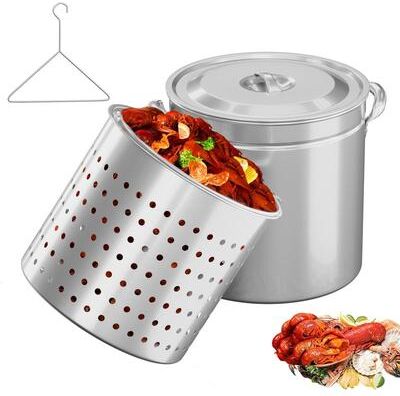
no Stainless Steel Seafood Boil PotDescription: Made with Premium Stainless Steel, ideal for heavy-duty cooking and have longer service life compared to aluminum cookware. ideal for cooking large quantities of food, perfect for family gatherings.109,99 $*Shipping: 0,00 $Secure redirect to the provider
-
Farberware Seafood Nutcracker Set - 5 inFarberware 3-Piece Seafood Nutcracker Set, Stainless Steel Shell Cracker & Picks - Crack Open Lobster, Crab, Nuts With Ease - Durable Essential Dining Tool For Shellfish Lovers - New Tackle lobster, crab, and shellfish with ease using the Farberware...22,99 $*Shipping: 0,00 $Secure redirect to the provider
-
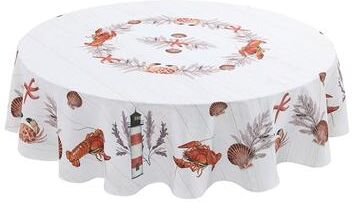
Laural Home Seafood Shack Tablecloth 70 Round"Experience marine life with this chic and unique seafood round tablecloth, ""Seafood Shack"". From lobsters and crabs to shells and lighthouses, this piece brings together all the must-have elements of an ideal day at the sea."62,07 $*Shipping: 0,00 $Secure redirect to the provider



-
What is ethical conditioning?
Ethical conditioning refers to the process of instilling moral values, principles, and beliefs in individuals through socialization, education, and cultural influences. It involves shaping an individual's understanding of right and wrong, and guiding their behavior towards ethical decision-making. Ethical conditioning can be influenced by various factors such as family, religion, education, and societal norms, and plays a crucial role in shaping an individual's moral compass and ethical behavior. It is essential for promoting a just and harmonious society, and for fostering a sense of responsibility and accountability in individuals. **
-
What are ethical considerations?
Ethical considerations refer to the moral principles and values that guide decision-making and behavior in a particular context. In research, ethical considerations involve ensuring the well-being and rights of participants, obtaining informed consent, and maintaining confidentiality. In business, ethical considerations may involve treating employees and customers fairly, being transparent in business practices, and considering the impact of business decisions on society and the environment. Overall, ethical considerations involve making decisions and taking actions that are morally right and just. **
-
What are ethical reasons?
Ethical reasons refer to the moral principles and values that guide our behavior and decision-making. These reasons are based on the concept of right and wrong, and they help us determine what is morally acceptable or unacceptable in a given situation. Ethical reasons are often influenced by cultural, religious, and personal beliefs, and they play a crucial role in shaping our actions and interactions with others. Ultimately, ethical reasons help us to uphold integrity, fairness, and respect in our relationships and society. **
-
What is ethical universalism?
Ethical universalism is the belief that there are fundamental ethical principles that apply universally to all people, regardless of their culture, religion, or background. This perspective holds that certain moral values, such as honesty, fairness, and respect for others, are inherent and should be upheld by all individuals and societies. Ethical universalism emphasizes the importance of recognizing and respecting the common humanity and dignity of all people, and it promotes the idea that ethical standards should be consistent across different cultures and contexts. **

What are ethical persons?
Ethical persons are individuals who consistently make decisions and take actions that are morally right and just. They adhere to a set of principles and values that guide their behavior, and they strive to treat others with respect, fairness, and honesty. Ethical persons also take responsibility for their actions and consider the potential impact of their choices on others and the world around them. Overall, ethical persons are committed to upholding high standards of integrity and morality in their personal and professional lives. **
What are ethical individuals?
Ethical individuals are those who consistently make decisions and take actions that align with moral principles and values. They prioritize honesty, integrity, fairness, and compassion in their interactions with others. Ethical individuals also consider the impact of their choices on others and strive to do what is right, even when it may be challenging or unpopular. Overall, ethical individuals demonstrate a strong sense of personal responsibility and a commitment to upholding ethical standards in all aspects of their lives. **
Top-Angebote
Products related to Ethical:
-
KitchenCraft Set of Stainless Steel Fish Crackers and Seafood ForksA complete Kitchen Craft seafood dining set, including shell fish crackers to crack hard shell seafood, and individual long handled dual ended seafood forks and scoops for removing and eating meat from shell fish, and crab and lobster claws.16,79 £*Shipping: 3,50 £Secure redirect to the provider
-
no Stainless Steel Seafood Boil PotDescription: Made with Premium Stainless Steel, ideal for heavy-duty cooking and have longer service life compared to aluminum cookware. ideal for cooking large quantities of food, perfect for family gatherings.109,99 $*Shipping: 0,00 $Secure redirect to the provider
-
Is it ethical to only keep different fish species together?
It can be ethical to keep different fish species together as long as their needs and behaviors are compatible. It is important to research the specific requirements of each species, such as water parameters, diet, and social behaviors, to ensure they can coexist peacefully. Additionally, providing adequate space and hiding spots can help reduce aggression and stress among the different species. However, it is important to avoid keeping species together that may pose a risk to each other, such as predatory or aggressive fish with smaller, more passive species. Overall, ethical considerations should prioritize the well-being and safety of all the fish involved. **
-
What are ethical issues?
Ethical issues are dilemmas or conflicts that arise when there is a clash between moral principles, values, and responsibilities. These issues often involve questions about what is right or wrong, fair or unfair, and just or unjust. Ethical issues can arise in various contexts, such as in business, healthcare, technology, and the environment, and they require careful consideration and decision-making to navigate the complexities of moral and ethical concerns. Resolving ethical issues often involves balancing competing interests and finding solutions that align with ethical principles and standards. **
-
What is ethical conditioning?
Ethical conditioning refers to the process of instilling moral values, principles, and beliefs in individuals through socialization, education, and cultural influences. It involves shaping an individual's understanding of right and wrong, and guiding their behavior towards ethical decision-making. Ethical conditioning can be influenced by various factors such as family, religion, education, and societal norms, and plays a crucial role in shaping an individual's moral compass and ethical behavior. It is essential for promoting a just and harmonious society, and for fostering a sense of responsibility and accountability in individuals. **
-
What are ethical considerations?
Ethical considerations refer to the moral principles and values that guide decision-making and behavior in a particular context. In research, ethical considerations involve ensuring the well-being and rights of participants, obtaining informed consent, and maintaining confidentiality. In business, ethical considerations may involve treating employees and customers fairly, being transparent in business practices, and considering the impact of business decisions on society and the environment. Overall, ethical considerations involve making decisions and taking actions that are morally right and just. **
Similar search terms for Ethical
-
Farberware Seafood Nutcracker Set - 5 inFarberware 3-Piece Seafood Nutcracker Set, Stainless Steel Shell Cracker & Picks - Crack Open Lobster, Crab, Nuts With Ease - Durable Essential Dining Tool For Shellfish Lovers - New Tackle lobster, crab, and shellfish with ease using the Farberware...22,99 $*Shipping: 0,00 $Secure redirect to the provider
-
Laural Home Seafood Shack Tablecloth 70 Round"Experience marine life with this chic and unique seafood round tablecloth, ""Seafood Shack"". From lobsters and crabs to shells and lighthouses, this piece brings together all the must-have elements of an ideal day at the sea."62,07 $*Shipping: 0,00 $Secure redirect to the provider
-
no Stainless Steel Seafood Boil PotDescription: Made with Premium Stainless Steel, ideal for heavy-duty cooking and have longer service life compared to aluminum cookware. ideal for cooking large quantities of food, perfect for family gatherings.133,49 $*Shipping: 0,00 $Secure redirect to the provider
-
no Stainless Steel Seafood Boil PotDescription: Made with Premium Stainless Steel, ideal for heavy-duty cooking and have longer service life compared to aluminum cookware. ideal for cooking large quantities of food, perfect for family gatherings.94,15 $*Shipping: 0,00 $Secure redirect to the provider
-
What are ethical reasons?
Ethical reasons refer to the moral principles and values that guide our behavior and decision-making. These reasons are based on the concept of right and wrong, and they help us determine what is morally acceptable or unacceptable in a given situation. Ethical reasons are often influenced by cultural, religious, and personal beliefs, and they play a crucial role in shaping our actions and interactions with others. Ultimately, ethical reasons help us to uphold integrity, fairness, and respect in our relationships and society. **
-
What is ethical universalism?
Ethical universalism is the belief that there are fundamental ethical principles that apply universally to all people, regardless of their culture, religion, or background. This perspective holds that certain moral values, such as honesty, fairness, and respect for others, are inherent and should be upheld by all individuals and societies. Ethical universalism emphasizes the importance of recognizing and respecting the common humanity and dignity of all people, and it promotes the idea that ethical standards should be consistent across different cultures and contexts. **
-
What are ethical persons?
Ethical persons are individuals who consistently make decisions and take actions that are morally right and just. They adhere to a set of principles and values that guide their behavior, and they strive to treat others with respect, fairness, and honesty. Ethical persons also take responsibility for their actions and consider the potential impact of their choices on others and the world around them. Overall, ethical persons are committed to upholding high standards of integrity and morality in their personal and professional lives. **
-
What are ethical individuals?
Ethical individuals are those who consistently make decisions and take actions that align with moral principles and values. They prioritize honesty, integrity, fairness, and compassion in their interactions with others. Ethical individuals also consider the impact of their choices on others and strive to do what is right, even when it may be challenging or unpopular. Overall, ethical individuals demonstrate a strong sense of personal responsibility and a commitment to upholding ethical standards in all aspects of their lives. **
* All prices are inclusive of VAT and, if applicable, plus shipping costs. The offer information is based on the details provided by the respective shop and is updated through automated processes. Real-time updates do not occur, so deviations can occur in individual cases. ** Note: Parts of this content were created by AI.