Buy fischbahnhof.eu ?
We are moving the project
fischbahnhof.eu .
Are you interested in purchasing the domain
fischbahnhof.eu ?
domain@kv-gmbh.de · 0541-91531010
Buy fischbahnhof.eu ?
How does a fresh tattoo become compulsive?
A fresh tattoo can become compulsive for some individuals due to the release of endorphins and adrenaline during the tattooing process, which can create a feeling of euphoria and excitement. Additionally, the act of getting a tattoo can be a form of self-expression and a way to cope with emotions or stress, leading some people to seek out more tattoos as a way to continue that feeling. The permanence of a tattoo can also contribute to the compulsive behavior, as it becomes a part of the individual's identity and can lead to a desire for more. **
What are compulsive disorders, obsessive thoughts, and compulsive actions?
Compulsive disorders are mental health conditions characterized by the presence of obsessive thoughts and compulsive actions. Obsessive thoughts are persistent, intrusive, and unwanted thoughts that cause distress or anxiety. Compulsive actions are repetitive behaviors or rituals that a person feels driven to perform in response to their obsessive thoughts, in order to alleviate the anxiety or distress. These disorders can significantly interfere with daily functioning and can be difficult to control without professional help. **


Similar search terms for Compulsive
Top-Angebote
Products related to Compulsive:
-
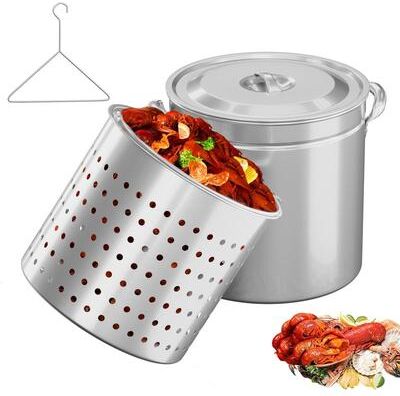
no Stainless Steel Seafood Boil PotDescription: Made with Premium Stainless Steel, ideal for heavy-duty cooking and have longer service life compared to aluminum cookware. ideal for cooking large quantities of food, perfect for family gatherings.109,99 $*Shipping: 0,00 $Secure redirect to the provider
-
Farberware Seafood Nutcracker Set - 5 inFarberware 3-Piece Seafood Nutcracker Set, Stainless Steel Shell Cracker & Picks - Crack Open Lobster, Crab, Nuts With Ease - Durable Essential Dining Tool For Shellfish Lovers - New Tackle lobster, crab, and shellfish with ease using the Farberware...22,99 $*Shipping: 0,00 $Secure redirect to the provider
-
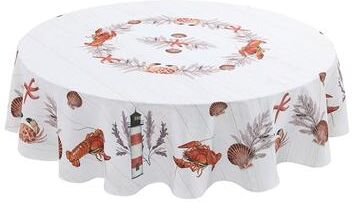
Laural Home Seafood Shack Tablecloth 70 Round"Experience marine life with this chic and unique seafood round tablecloth, ""Seafood Shack"". From lobsters and crabs to shells and lighthouses, this piece brings together all the must-have elements of an ideal day at the sea."63,99 $*Shipping: 0,00 $Secure redirect to the provider


-
What is the difference between compulsive tidying and compulsive thinking?
Compulsive tidying is a behavior characterized by an overwhelming urge to constantly clean and organize one's surroundings, often to the point of excess. On the other hand, compulsive thinking involves persistent, intrusive thoughts that are difficult to control and can lead to anxiety or distress. While compulsive tidying is focused on physical actions and organization, compulsive thinking is centered around mental processes and can be more challenging to manage. Both can be symptoms of underlying mental health conditions, such as obsessive-compulsive disorder, but they manifest in different ways. **
-
What is compulsive behavior?
Compulsive behavior refers to repetitive actions or rituals that a person feels driven to perform, often in response to an obsessive thought or to alleviate anxiety. These behaviors can interfere with daily life and may be difficult to control, despite the negative consequences they may bring. Compulsive behaviors are often associated with conditions such as obsessive-compulsive disorder (OCD) or addiction. Treatment for compulsive behavior typically involves therapy, medication, and lifestyle changes. **
-
What are compulsive impulses?
Compulsive impulses are strong, uncontrollable urges to engage in certain behaviors, often despite negative consequences. These impulses can be driven by a variety of factors, including anxiety, stress, or a desire for relief or pleasure. People with compulsive impulses may feel a sense of urgency or a lack of control over their actions, and may engage in repetitive behaviors in an attempt to alleviate their distress. Compulsive impulses can be a symptom of various mental health conditions, such as obsessive-compulsive disorder or impulse control disorders. **
-
How can the compulsive urge to laugh about the compulsive thoughts be explained?
The compulsive urge to laugh about compulsive thoughts can be explained as a coping mechanism or defense mechanism. When faced with distressing or intrusive thoughts, some individuals may feel the need to laugh as a way to release tension or to try to minimize the seriousness of the thoughts. This can also be a way to try to distance oneself from the thoughts and to avoid feeling overwhelmed by them. Additionally, laughing about the thoughts may be a way for some individuals to seek reassurance or validation from others, as they may hope that by laughing, others will also find the thoughts less serious or distressing. **

What are compulsive self-talks?
Compulsive self-talks are repetitive, negative thoughts or phrases that individuals constantly repeat to themselves. These thoughts are often irrational, self-critical, or destructive in nature, and can lead to feelings of anxiety, depression, or low self-esteem. Compulsive self-talks can be difficult to control and can significantly impact a person's mental well-being and overall quality of life. Therapy, mindfulness techniques, and cognitive-behavioral strategies can be helpful in managing and reducing compulsive self-talks. **
Is this a compulsive behavior?
Yes, the behavior described in the previous message could be considered compulsive. Compulsive behaviors are repetitive actions that a person feels driven to perform, often in response to an obsessive thought or to alleviate anxiety. In this case, the individual is engaging in a behavior (checking the door multiple times) in response to a fear (that the door is not locked), which is a common characteristic of compulsive behavior. If this behavior is interfering with the person's daily life or causing distress, it may be worth seeking help from a mental health professional. **
Top-Angebote
Products related to Compulsive:
-
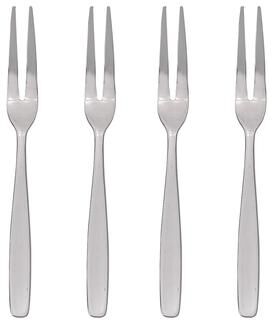
KitchenCraft Set of Stainless Steel Fish Crackers and Seafood ForksA complete Kitchen Craft seafood dining set, including shell fish crackers to crack hard shell seafood, and individual long handled dual ended seafood forks and scoops for removing and eating meat from shell fish, and crab and lobster claws.16,79 £*Shipping: 3,50 £Secure redirect to the provider
-
no Stainless Steel Seafood Boil PotDescription: Made with Premium Stainless Steel, ideal for heavy-duty cooking and have longer service life compared to aluminum cookware. ideal for cooking large quantities of food, perfect for family gatherings.109,99 $*Shipping: 0,00 $Secure redirect to the provider
-
How does a fresh tattoo become compulsive?
A fresh tattoo can become compulsive for some individuals due to the release of endorphins and adrenaline during the tattooing process, which can create a feeling of euphoria and excitement. Additionally, the act of getting a tattoo can be a form of self-expression and a way to cope with emotions or stress, leading some people to seek out more tattoos as a way to continue that feeling. The permanence of a tattoo can also contribute to the compulsive behavior, as it becomes a part of the individual's identity and can lead to a desire for more. **
-
What are compulsive disorders, obsessive thoughts, and compulsive actions?
Compulsive disorders are mental health conditions characterized by the presence of obsessive thoughts and compulsive actions. Obsessive thoughts are persistent, intrusive, and unwanted thoughts that cause distress or anxiety. Compulsive actions are repetitive behaviors or rituals that a person feels driven to perform in response to their obsessive thoughts, in order to alleviate the anxiety or distress. These disorders can significantly interfere with daily functioning and can be difficult to control without professional help. **
-
What is the difference between compulsive tidying and compulsive thinking?
Compulsive tidying is a behavior characterized by an overwhelming urge to constantly clean and organize one's surroundings, often to the point of excess. On the other hand, compulsive thinking involves persistent, intrusive thoughts that are difficult to control and can lead to anxiety or distress. While compulsive tidying is focused on physical actions and organization, compulsive thinking is centered around mental processes and can be more challenging to manage. Both can be symptoms of underlying mental health conditions, such as obsessive-compulsive disorder, but they manifest in different ways. **
-
What is compulsive behavior?
Compulsive behavior refers to repetitive actions or rituals that a person feels driven to perform, often in response to an obsessive thought or to alleviate anxiety. These behaviors can interfere with daily life and may be difficult to control, despite the negative consequences they may bring. Compulsive behaviors are often associated with conditions such as obsessive-compulsive disorder (OCD) or addiction. Treatment for compulsive behavior typically involves therapy, medication, and lifestyle changes. **
Similar search terms for Compulsive
-
Farberware Seafood Nutcracker Set - 5 inFarberware 3-Piece Seafood Nutcracker Set, Stainless Steel Shell Cracker & Picks - Crack Open Lobster, Crab, Nuts With Ease - Durable Essential Dining Tool For Shellfish Lovers - New Tackle lobster, crab, and shellfish with ease using the Farberware...22,99 $*Shipping: 0,00 $Secure redirect to the provider
-
Laural Home Seafood Shack Tablecloth 70 Round"Experience marine life with this chic and unique seafood round tablecloth, ""Seafood Shack"". From lobsters and crabs to shells and lighthouses, this piece brings together all the must-have elements of an ideal day at the sea."63,99 $*Shipping: 0,00 $Secure redirect to the provider
-
no Stainless Steel Seafood Boil PotDescription: Made with Premium Stainless Steel, ideal for heavy-duty cooking and have longer service life compared to aluminum cookware. ideal for cooking large quantities of food, perfect for family gatherings.86,49 $*Shipping: 0,00 $Secure redirect to the provider
-
no Stainless Steel Seafood Boil PotDescription: Made with Premium Stainless Steel, ideal for heavy-duty cooking and have longer service life compared to aluminum cookware. ideal for cooking large quantities of food, perfect for family gatherings.94,15 $*Shipping: 0,00 $Secure redirect to the provider
-
What are compulsive impulses?
Compulsive impulses are strong, uncontrollable urges to engage in certain behaviors, often despite negative consequences. These impulses can be driven by a variety of factors, including anxiety, stress, or a desire for relief or pleasure. People with compulsive impulses may feel a sense of urgency or a lack of control over their actions, and may engage in repetitive behaviors in an attempt to alleviate their distress. Compulsive impulses can be a symptom of various mental health conditions, such as obsessive-compulsive disorder or impulse control disorders. **
-
How can the compulsive urge to laugh about the compulsive thoughts be explained?
The compulsive urge to laugh about compulsive thoughts can be explained as a coping mechanism or defense mechanism. When faced with distressing or intrusive thoughts, some individuals may feel the need to laugh as a way to release tension or to try to minimize the seriousness of the thoughts. This can also be a way to try to distance oneself from the thoughts and to avoid feeling overwhelmed by them. Additionally, laughing about the thoughts may be a way for some individuals to seek reassurance or validation from others, as they may hope that by laughing, others will also find the thoughts less serious or distressing. **
-
What are compulsive self-talks?
Compulsive self-talks are repetitive, negative thoughts or phrases that individuals constantly repeat to themselves. These thoughts are often irrational, self-critical, or destructive in nature, and can lead to feelings of anxiety, depression, or low self-esteem. Compulsive self-talks can be difficult to control and can significantly impact a person's mental well-being and overall quality of life. Therapy, mindfulness techniques, and cognitive-behavioral strategies can be helpful in managing and reducing compulsive self-talks. **
-
Is this a compulsive behavior?
Yes, the behavior described in the previous message could be considered compulsive. Compulsive behaviors are repetitive actions that a person feels driven to perform, often in response to an obsessive thought or to alleviate anxiety. In this case, the individual is engaging in a behavior (checking the door multiple times) in response to a fear (that the door is not locked), which is a common characteristic of compulsive behavior. If this behavior is interfering with the person's daily life or causing distress, it may be worth seeking help from a mental health professional. **
* All prices are inclusive of VAT and, if applicable, plus shipping costs. The offer information is based on the details provided by the respective shop and is updated through automated processes. Real-time updates do not occur, so deviations can occur in individual cases. ** Note: Parts of this content were created by AI.