Buy fischbahnhof.eu ?
We are moving the project
fischbahnhof.eu .
Are you interested in purchasing the domain
fischbahnhof.eu ?
domain@kv-gmbh.de · 0541-91531010
Buy fischbahnhof.eu ?
Is the capitalization correct?
Yes, the capitalization is correct. **
Capitalization in these cases?
In these cases, capitalization is not necessary. The words "in," "these," and "cases" are all considered common nouns and do not require capitalization unless they are at the beginning of a sentence. Only proper nouns, such as names of specific people, places, or things, should be capitalized. **


Similar search terms for Capitalization
Top-Angebote
Products related to Capitalization:
-
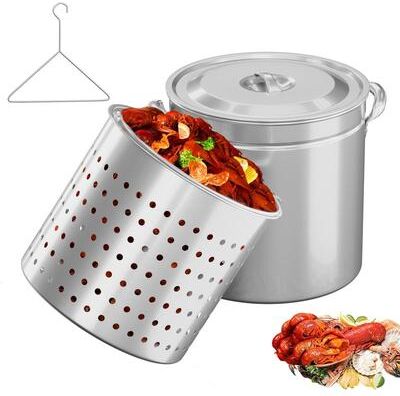
no Stainless Steel Seafood Boil PotDescription: Made with Premium Stainless Steel, ideal for heavy-duty cooking and have longer service life compared to aluminum cookware. ideal for cooking large quantities of food, perfect for family gatherings.109,99 $*Shipping: 0,00 $Secure redirect to the provider
-
Farberware Seafood Nutcracker Set - 5 inFarberware 3-Piece Seafood Nutcracker Set, Stainless Steel Shell Cracker & Picks - Crack Open Lobster, Crab, Nuts With Ease - Durable Essential Dining Tool For Shellfish Lovers - New Tackle lobster, crab, and shellfish with ease using the Farberware...22,99 $*Shipping: 0,00 $Secure redirect to the provider
-
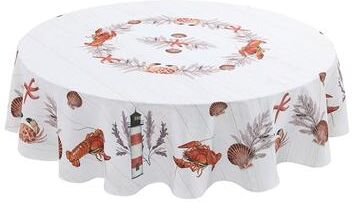
Laural Home Seafood Shack Tablecloth 70 Round"Experience marine life with this chic and unique seafood round tablecloth, ""Seafood Shack"". From lobsters and crabs to shells and lighthouses, this piece brings together all the must-have elements of an ideal day at the sea."63,99 $*Shipping: 0,00 $Secure redirect to the provider


-
How does capitalization work?
Capitalization refers to the use of uppercase letters at the beginning of a word. In English, proper nouns such as names of people, places, and organizations are capitalized. The first word in a sentence is also capitalized, as well as the pronoun "I." Titles of books, movies, and songs are typically capitalized. It is important to pay attention to capitalization rules to ensure clear and correct writing. **
-
Is the capitalization good?
Yes, the capitalization is good. The sentences begin with capital letters and proper nouns are capitalized as well. Overall, the writing follows standard capitalization rules and is clear and easy to read. **
-
Does Japanese have capitalization?
No, Japanese does not have capitalization in the same way that English does. In Japanese writing, there is no distinction between uppercase and lowercase letters. Instead, the language relies on other methods, such as kanji characters and context, to convey meaning and emphasis. Therefore, capitalization is not a feature of the Japanese writing system. **
-
Should capitalization be abolished?
Capitalization serves an important purpose in written language by indicating the beginning of a sentence, proper nouns, and titles. It helps to clarify and organize written text, making it easier to read and understand. Abolishing capitalization would likely lead to confusion and make written communication less clear. Therefore, capitalization should not be abolished as it plays a crucial role in written language. **

Which suffix determines capitalization?
The suffix that determines capitalization is the proper noun suffix. Proper nouns are specific names of people, places, or things, and they are always capitalized. When a common noun is changed into a proper noun by adding a suffix, the capitalization is determined by the suffix. For example, the common noun "river" becomes the proper noun "Mississippi River" when the proper noun suffix "River" is added, and "River" is capitalized. **
Small question about capitalization
When it comes to capitalization, it's important to remember that proper nouns, such as names of specific people, places, and things, should always be capitalized. Additionally, the first word of a sentence and the pronoun "I" should also be capitalized. However, common nouns and most adjectives should not be capitalized unless they are part of a title or are being used in a specific, formal context. It's always a good idea to double-check the rules of capitalization to ensure that your writing is clear and correct. **
Top-Angebote
Products related to Capitalization:
-
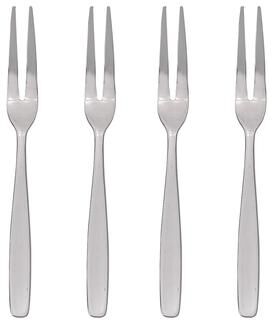
KitchenCraft Set of Stainless Steel Fish Crackers and Seafood ForksA complete Kitchen Craft seafood dining set, including shell fish crackers to crack hard shell seafood, and individual long handled dual ended seafood forks and scoops for removing and eating meat from shell fish, and crab and lobster claws.16,79 £*Shipping: 3,50 £Secure redirect to the provider
-
no Stainless Steel Seafood Boil PotDescription: Made with Premium Stainless Steel, ideal for heavy-duty cooking and have longer service life compared to aluminum cookware. ideal for cooking large quantities of food, perfect for family gatherings.109,99 $*Shipping: 0,00 $Secure redirect to the provider
-
Is the capitalization correct?
Yes, the capitalization is correct. **
-
Capitalization in these cases?
In these cases, capitalization is not necessary. The words "in," "these," and "cases" are all considered common nouns and do not require capitalization unless they are at the beginning of a sentence. Only proper nouns, such as names of specific people, places, or things, should be capitalized. **
-
How does capitalization work?
Capitalization refers to the use of uppercase letters at the beginning of a word. In English, proper nouns such as names of people, places, and organizations are capitalized. The first word in a sentence is also capitalized, as well as the pronoun "I." Titles of books, movies, and songs are typically capitalized. It is important to pay attention to capitalization rules to ensure clear and correct writing. **
-
Is the capitalization good?
Yes, the capitalization is good. The sentences begin with capital letters and proper nouns are capitalized as well. Overall, the writing follows standard capitalization rules and is clear and easy to read. **
Similar search terms for Capitalization
-
Farberware Seafood Nutcracker Set - 5 inFarberware 3-Piece Seafood Nutcracker Set, Stainless Steel Shell Cracker & Picks - Crack Open Lobster, Crab, Nuts With Ease - Durable Essential Dining Tool For Shellfish Lovers - New Tackle lobster, crab, and shellfish with ease using the Farberware...22,99 $*Shipping: 0,00 $Secure redirect to the provider
-
Laural Home Seafood Shack Tablecloth 70 Round"Experience marine life with this chic and unique seafood round tablecloth, ""Seafood Shack"". From lobsters and crabs to shells and lighthouses, this piece brings together all the must-have elements of an ideal day at the sea."63,99 $*Shipping: 0,00 $Secure redirect to the provider
-
no Stainless Steel Seafood Boil PotDescription: Made with Premium Stainless Steel, ideal for heavy-duty cooking and have longer service life compared to aluminum cookware. ideal for cooking large quantities of food, perfect for family gatherings.86,49 $*Shipping: 0,00 $Secure redirect to the provider
-
no Stainless Steel Seafood Boil PotDescription: Made with Premium Stainless Steel, ideal for heavy-duty cooking and have longer service life compared to aluminum cookware. ideal for cooking large quantities of food, perfect for family gatherings.94,15 $*Shipping: 0,00 $Secure redirect to the provider
-
Does Japanese have capitalization?
No, Japanese does not have capitalization in the same way that English does. In Japanese writing, there is no distinction between uppercase and lowercase letters. Instead, the language relies on other methods, such as kanji characters and context, to convey meaning and emphasis. Therefore, capitalization is not a feature of the Japanese writing system. **
-
Should capitalization be abolished?
Capitalization serves an important purpose in written language by indicating the beginning of a sentence, proper nouns, and titles. It helps to clarify and organize written text, making it easier to read and understand. Abolishing capitalization would likely lead to confusion and make written communication less clear. Therefore, capitalization should not be abolished as it plays a crucial role in written language. **
-
Which suffix determines capitalization?
The suffix that determines capitalization is the proper noun suffix. Proper nouns are specific names of people, places, or things, and they are always capitalized. When a common noun is changed into a proper noun by adding a suffix, the capitalization is determined by the suffix. For example, the common noun "river" becomes the proper noun "Mississippi River" when the proper noun suffix "River" is added, and "River" is capitalized. **
-
Small question about capitalization
When it comes to capitalization, it's important to remember that proper nouns, such as names of specific people, places, and things, should always be capitalized. Additionally, the first word of a sentence and the pronoun "I" should also be capitalized. However, common nouns and most adjectives should not be capitalized unless they are part of a title or are being used in a specific, formal context. It's always a good idea to double-check the rules of capitalization to ensure that your writing is clear and correct. **
* All prices are inclusive of VAT and, if applicable, plus shipping costs. The offer information is based on the details provided by the respective shop and is updated through automated processes. Real-time updates do not occur, so deviations can occur in individual cases. ** Note: Parts of this content were created by AI.