Buy fischbahnhof.eu ?
We are moving the project
fischbahnhof.eu .
Are you interested in purchasing the domain
fischbahnhof.eu ?
domain@kv-gmbh.de · 0541-91531010
Buy fischbahnhof.eu ?
Do aquarium fish eat plants?
Some aquarium fish do eat plants, while others do not. Herbivorous fish like certain species of tetras, barbs, and goldfish may nibble on or consume live aquarium plants as part of their diet. It's important to research the specific dietary needs of the fish species you plan to keep in order to determine if they will eat plants or not. Providing a balanced diet that includes plant-based foods or algae wafers can help satisfy the nutritional needs of herbivorous fish and reduce the likelihood of them snacking on live plants in the aquarium. **
Do fish survive without plants?
Yes, fish can survive without plants. While plants can provide oxygen and serve as a food source for some fish, there are many species of fish that do not rely on plants for survival. These fish may obtain oxygen from the water and feed on other aquatic organisms or commercial fish food. Therefore, while plants can be beneficial for fish in an aquarium or natural habitat, they are not a requirement for fish survival. **
Similar search terms for Plants
Top-Angebote
Products related to Plants:
-
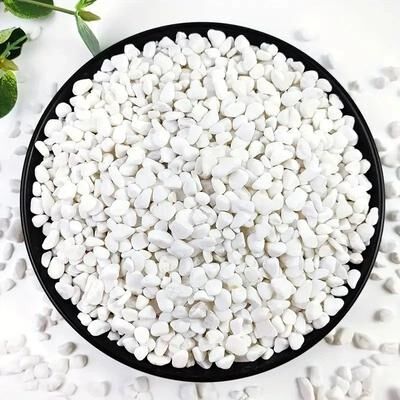
Inspired Living Natural Polished Crystal Pebbles For Plants, Fish Tanks And Home Decor Natural Polished Crystal Pebbles For Plants, Fish Tanks And Home DecorBegin with a small detail that changes the whole look of a space. These polished natural pebbles add clean texture and calming color to planters, aquariums, and DIY dcor without overwhelming your setup. Designed for plant lovers, crafters, and fish...23,97 $*Shipping: 0,00 $Secure redirect to the provider
-
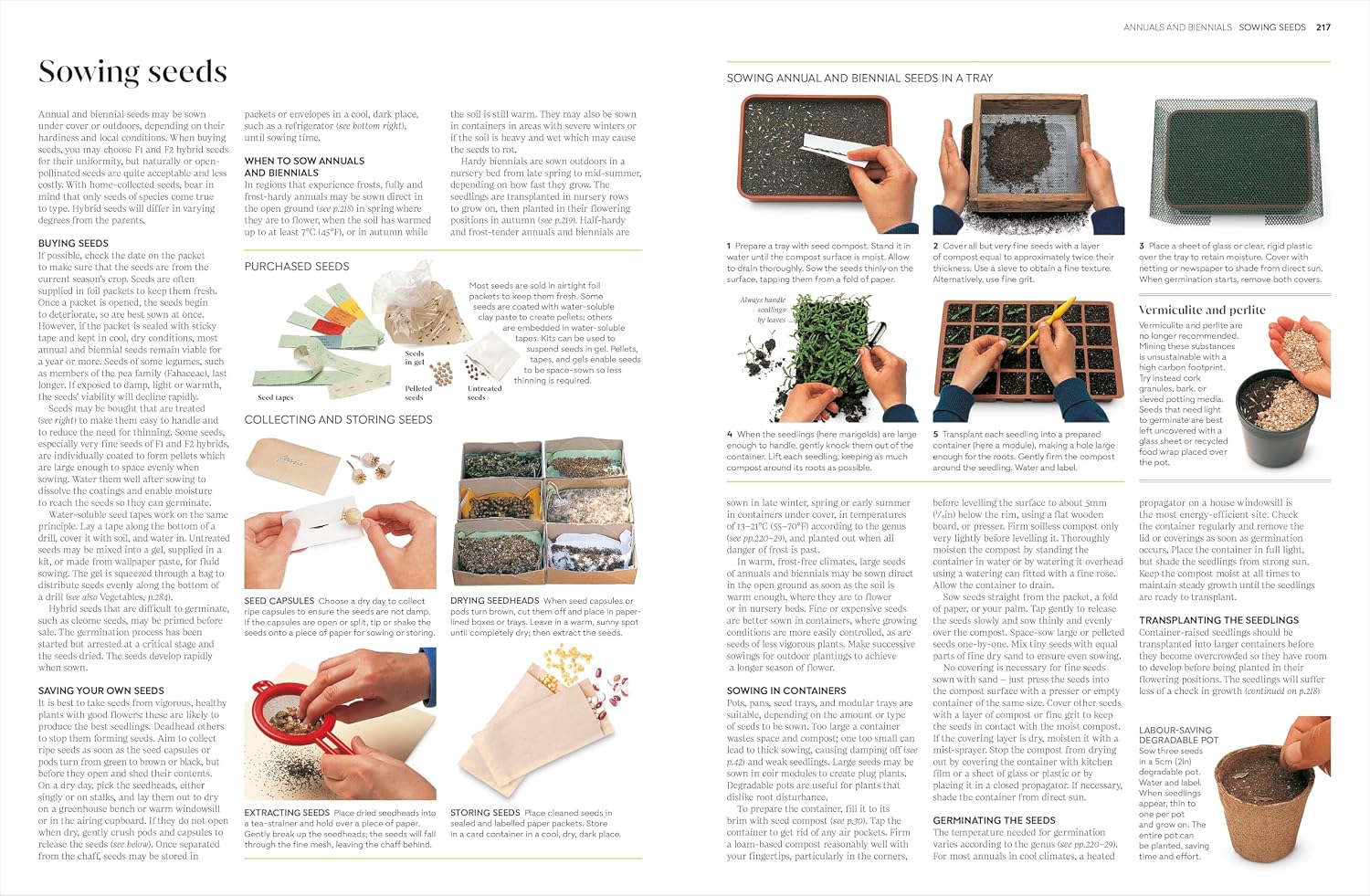
DK RHS Propagating Plants - How To Create New Plants For FreeFill your garden with beautiful plants for next-to-nothing Do you long to grow your own plants from scratch? This complete guide from the experts at the RHS will teach you how to propagate every type of plant. If you're a thrifty gardener who wants more plants for free, then this book is perfect for you! From fruit trees and ornamental shrubs to exotic orchids and succulents, get all the info you need to propagate 1,500+ garden plants. Crammed with hundreds of step-by-step tutorials and clear advice, ranging from straightforward and simple to more in-depth and challenging. The rating system in the plant-by-plant A-Z dictionaries provides you with a quick reference to the relative ease or difficulty of each method of propagation. How long do your seedlings need to germinate? What makes a healthy stem cutting? How do you know what type of rootstock to use when grafting plants? Find out the answer to these questions and more in the most comprehensive guide to propagating plants ever published.9,99 £*Shipping: 2,99 £Secure redirect to the provider
-
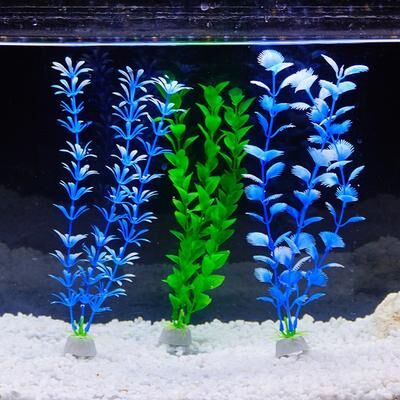
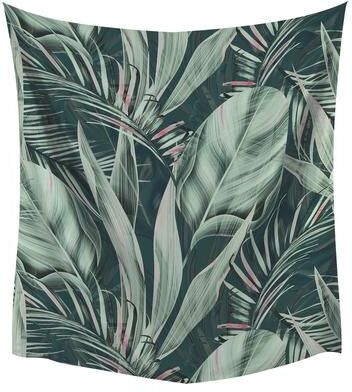
Inspire Curations Green Artificial Aquarium Plants Plastic Fish Tank Decor Grass 1pcA beautiful aquarium doesnt have to mean extra maintenance. These artificial aquarium plants instantly add color, texture, and a natural look to your fish tank without the hassle of live plants. Designed to sway gently with the water flow, they...69,95 $*Shipping: 0,00 $Secure redirect to the provider

-
Do plants grow better in fresh air?
Yes, plants generally grow better in fresh air because they need carbon dioxide for photosynthesis, which is essential for their growth and development. Fresh air also provides the necessary oxygen for the plant's respiration process. Additionally, fresh air helps to maintain a healthy environment for the plant, reducing the risk of diseases and pests. Overall, plants thrive in fresh air as it provides the necessary gases and a healthy growing environment. **
-
Are plastic plants bad for fish?
Plastic plants can be harmful to fish if they have sharp edges or rough surfaces that can injure the fish. Additionally, plastic plants do not provide the same benefits as live plants, such as oxygen production and natural filtration. Live plants also help create a more natural and stimulating environment for fish. It is recommended to use live plants or silk plants instead of plastic plants in aquariums to ensure the well-being of the fish. **
-
How do I encase fresh plants in resin?
To encase fresh plants in resin, you will first need to dry the plants completely to prevent them from rotting inside the resin. Once the plants are dried, arrange them in a mold or container of your choice. Mix the resin according to the manufacturer's instructions and pour it over the plants, making sure they are fully covered. Allow the resin to cure and harden according to the recommended time before demolding your botanical resin piece. **
-
How do I embed fresh plants in resin?
To embed fresh plants in resin, start by drying the plants thoroughly to prevent moisture from causing bubbles in the resin. Arrange the dried plants in the desired design inside a silicone mold. Mix the resin according to the manufacturer's instructions and pour it over the plants in the mold. Use a toothpick or skewer to adjust the position of the plants and remove any air bubbles. Allow the resin to cure completely before demolding your botanical resin art piece. **

Which plants are nibbling on my fish?
If you notice that your fish are being nibbled on, it is likely that the culprit is a plant called duckweed. Duckweed is a small, floating plant that can quickly multiply and cover the surface of the water in your fish tank or pond. While it may not directly harm your fish, it can create a nuisance by blocking out light and oxygen. To control duckweed, you can manually remove it from the water or use a herbicide specifically designed to target aquatic plants. **
Which fish and plants should be used?
When setting up an aquaponics system, it is important to choose fish and plants that are compatible with each other and the environment. Common fish species used in aquaponics include tilapia, trout, and catfish, as they are hardy and well-suited to the aquaponic environment. For plants, leafy greens like lettuce, spinach, and kale are popular choices due to their fast growth and nutrient requirements. Additionally, herbs such as basil, mint, and cilantro can also thrive in an aquaponic system. Ultimately, the choice of fish and plants should be based on the specific conditions of the system and the preferences of the grower. **
Top-Angebote
Products related to Plants:
-
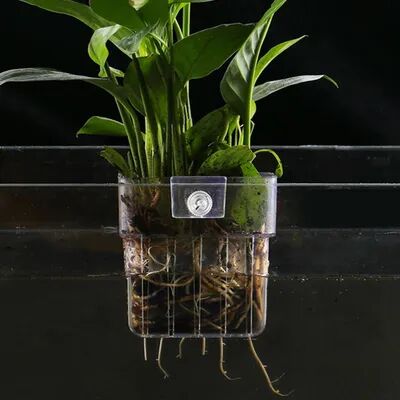
Youfap Market Hanging Pot Aquatic Plants Holder Aquarium Plant Cup Fish Tank Planter Hanging Pot Aquatic Plants Holder Aquarium Plant Cup Fish Tank PlanterEnhance Your Aquarium's Aesthetic Transform your aquarium into a stunning aquatic landscape with the Aquarium Plant Basket Transparent Fish Tank. This unique hanging decorations pot is designed to create a natural and serene environment for your...29,97 $*Shipping: 0,00 $Secure redirect to the provider
-
Youfap Market Artificial Aquatic Plants, Plastic Green Grass For Fish Tank Aquarium Decor greenAdd Life to Your Aquarium with 3PCS Artificial Plastic Green Grass Plants Transform your fish tank into a vibrant underwater landscape with the 3PCS Artificial Plastic Green Grass Aquatic Plants. These realistic plants bring a natural look to your...34,97 $*Shipping: 0,00 $Secure redirect to the provider
-
Inspired Living Natural Polished Crystal Pebbles For Plants, Fish Tanks And Home Decor Natural Polished Crystal Pebbles For Plants, Fish Tanks And Home DecorBegin with a small detail that changes the whole look of a space. These polished natural pebbles add clean texture and calming color to planters, aquariums, and DIY dcor without overwhelming your setup. Designed for plant lovers, crafters, and fish...23,97 $*Shipping: 0,00 $Secure redirect to the provider
-
DK RHS Propagating Plants - How To Create New Plants For FreeFill your garden with beautiful plants for next-to-nothing Do you long to grow your own plants from scratch? This complete guide from the experts at the RHS will teach you how to propagate every type of plant. If you're a thrifty gardener who wants more plants for free, then this book is perfect for you! From fruit trees and ornamental shrubs to exotic orchids and succulents, get all the info you need to propagate 1,500+ garden plants. Crammed with hundreds of step-by-step tutorials and clear advice, ranging from straightforward and simple to more in-depth and challenging. The rating system in the plant-by-plant A-Z dictionaries provides you with a quick reference to the relative ease or difficulty of each method of propagation. How long do your seedlings need to germinate? What makes a healthy stem cutting? How do you know what type of rootstock to use when grafting plants? Find out the answer to these questions and more in the most comprehensive guide to propagating plants ever published.9,99 £*Shipping: 2,99 £Secure redirect to the provider
-
Do aquarium fish eat plants?
Some aquarium fish do eat plants, while others do not. Herbivorous fish like certain species of tetras, barbs, and goldfish may nibble on or consume live aquarium plants as part of their diet. It's important to research the specific dietary needs of the fish species you plan to keep in order to determine if they will eat plants or not. Providing a balanced diet that includes plant-based foods or algae wafers can help satisfy the nutritional needs of herbivorous fish and reduce the likelihood of them snacking on live plants in the aquarium. **
-
Do fish survive without plants?
Yes, fish can survive without plants. While plants can provide oxygen and serve as a food source for some fish, there are many species of fish that do not rely on plants for survival. These fish may obtain oxygen from the water and feed on other aquatic organisms or commercial fish food. Therefore, while plants can be beneficial for fish in an aquarium or natural habitat, they are not a requirement for fish survival. **
-
Do plants grow better in fresh air?
Yes, plants generally grow better in fresh air because they need carbon dioxide for photosynthesis, which is essential for their growth and development. Fresh air also provides the necessary oxygen for the plant's respiration process. Additionally, fresh air helps to maintain a healthy environment for the plant, reducing the risk of diseases and pests. Overall, plants thrive in fresh air as it provides the necessary gases and a healthy growing environment. **
-
Are plastic plants bad for fish?
Plastic plants can be harmful to fish if they have sharp edges or rough surfaces that can injure the fish. Additionally, plastic plants do not provide the same benefits as live plants, such as oxygen production and natural filtration. Live plants also help create a more natural and stimulating environment for fish. It is recommended to use live plants or silk plants instead of plastic plants in aquariums to ensure the well-being of the fish. **
Similar search terms for Plants
-
Inspire Curations Green Artificial Aquarium Plants Plastic Fish Tank Decor Grass 1pcA beautiful aquarium doesnt have to mean extra maintenance. These artificial aquarium plants instantly add color, texture, and a natural look to your fish tank without the hassle of live plants. Designed to sway gently with the water flow, they...69,95 $*Shipping: 0,00 $Secure redirect to the provider
-
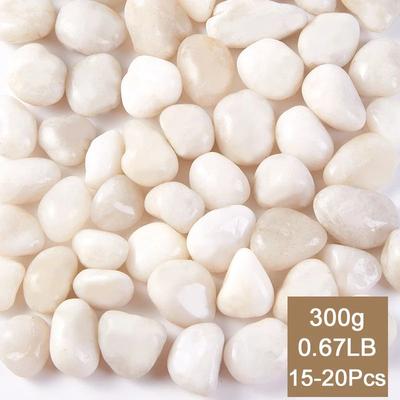
Inspired Living White Polished Pebbles 23cm For Plants, Fish Tanks And Garden Decor 300gBring a clean, calming finish to any space with white polished pebbles that instantly make planters, aquariums, and small landscapes look more refined. These natural stones are designed for plant lovers, home decorators, and anyone wanting an easy...23,97 $*Shipping: 0,00 $Secure redirect to the provider
-
Youfap Market Artificial Aquatic Plants, Plastic Green Grass For Fish Tank Aquarium Decor blueAdd Life to Your Aquarium with 3PCS Artificial Plastic Green Grass Plants Transform your fish tank into a vibrant underwater landscape with the 3PCS Artificial Plastic Green Grass Aquatic Plants. These realistic plants bring a natural look to your...34,97 $*Shipping: 0,00 $Secure redirect to the provider
-
How do I encase fresh plants in resin?
To encase fresh plants in resin, you will first need to dry the plants completely to prevent them from rotting inside the resin. Once the plants are dried, arrange them in a mold or container of your choice. Mix the resin according to the manufacturer's instructions and pour it over the plants, making sure they are fully covered. Allow the resin to cure and harden according to the recommended time before demolding your botanical resin piece. **
-
How do I embed fresh plants in resin?
To embed fresh plants in resin, start by drying the plants thoroughly to prevent moisture from causing bubbles in the resin. Arrange the dried plants in the desired design inside a silicone mold. Mix the resin according to the manufacturer's instructions and pour it over the plants in the mold. Use a toothpick or skewer to adjust the position of the plants and remove any air bubbles. Allow the resin to cure completely before demolding your botanical resin art piece. **
-
Which plants are nibbling on my fish?
If you notice that your fish are being nibbled on, it is likely that the culprit is a plant called duckweed. Duckweed is a small, floating plant that can quickly multiply and cover the surface of the water in your fish tank or pond. While it may not directly harm your fish, it can create a nuisance by blocking out light and oxygen. To control duckweed, you can manually remove it from the water or use a herbicide specifically designed to target aquatic plants. **
-
Which fish and plants should be used?
When setting up an aquaponics system, it is important to choose fish and plants that are compatible with each other and the environment. Common fish species used in aquaponics include tilapia, trout, and catfish, as they are hardy and well-suited to the aquaponic environment. For plants, leafy greens like lettuce, spinach, and kale are popular choices due to their fast growth and nutrient requirements. Additionally, herbs such as basil, mint, and cilantro can also thrive in an aquaponic system. Ultimately, the choice of fish and plants should be based on the specific conditions of the system and the preferences of the grower. **
* All prices are inclusive of VAT and, if applicable, plus shipping costs. The offer information is based on the details provided by the respective shop and is updated through automated processes. Real-time updates do not occur, so deviations can occur in individual cases. ** Note: Parts of this content were created by AI.